The citywide smart parking lot solution is a city-level integrated static traffic system centered on Internet, IoT, cloud computing, big data, payment clearing, and scenario finance technologies. Around city-level smart parking demand, it integrates off-street and on-street parking, city guidance, and smart charging integrated services. At the same time, it uses emerging technologies such as big data, cloud computing, IoT, GIS, and mobile Internet to build a smart city parking platform. The platform is committed to unified management of parking resources and effectively alleviating urban parking difficulty. At the same time, relying on the concepts of standardization and openness, it creates an open, shared, and interoperable new urban parking ecosystem with multi-brand coexistence and multi-channel co-operation.
- 1. Terminal layer: terminal devices are the infrastructure for the operation of the city parking system, providing parking services for users and business data for the platform.
- 2. Network layer: the network is the communication foundation of the entire IoT. In addition to the characteristics of massive connections, low power consumption, low cost, and wide coverage, the NB-IoT network's simple installation and high reliability are also more conducive to the construction and maintenance of on-street and off-street parking lot projects.
- 3. Platform layer: the platform layer includes two parts: the IoT platform and the cloud data center.
- 4. Operations layer: the operations layer is the core business layer of the city parking platform, including subsystems such as on-street and off-street, charging guidance, monitoring and dispatch, member accounts, payment settlement, marketing promotions, statistical analysis, operations management, and information publishing.
- 5. Service layer: with the help of mobile Internet technology, positioning technology, map navigation technology, image recognition, and visualization technology, it develops city parking APP, city parking official account, mobile management APP, operations management dashboard, and resource open interfaces.

Product Core Functions
Overview of Parking Tension Distribution
The city administrative region map is displayed on the data screen. All on-street and indoor parking lots included in the map are presented through heat map effects. It shows the usage of parking spaces in each district of the city (total spaces and vacant spaces) and uses different colors to show space status: red indicates tight vacant spaces, yellow indicates moderate vacant spaces, and green indicates sufficient vacant spaces. Parking lots have links; users can view, click, and jump to specific lot details to monitor space distribution and parking conditions in specific lots.
The resource distribution viewed through the heat map includes the distribution and usage tension of resources such as on-street parking lots, indoor (off-street) parking lots, charging piles, and guidance screens.
Overview of City Parking Resources
Displays the current city's parking resource data, divides resource types, total number of parking lots, total number of spaces, charging stations, guidance screens, etc., supports customized data, and displays the bar distribution of main resources by icons. The city-level parking resource status is fully visible at a glance.
Overview of User Resources and Behavior
Consumer users are an important part of city-level smart parking. Maintaining and managing the consumer resource pool well and grasping behavior analysis make it easier to manage the travel and business direction of city parking.
Lists the data overview of city parking user resources, including total online and offline users, statistics of users with bound license plates, active users, offline conversion rate, number of paying users and conversion rate, etc. Analysis of parking behavior includes the distribution proportion of parking duration and the channel choices and proportions of payment methods.
Parking Revenue Data Feedback
By business type, total parking revenue, on-street parking revenue, and off-street parking revenue are shown. Managers can view the platform's overall annual cumulative parking data, recent one-week revenue data, today, yesterday, and other data, and can clearly understand the platform's revenue operation status according to parking fee information classified by business in the parking lot, such as fee evasion, receivable, actual received, arrears, and discounts.
Overview of Resource Equipment and Work Orders
Parking lot distribution and space utilization analysis can view normal, faulty, and idle space conditions. Space turnover rate, space utilization rate, etc. reflect the overall operational tension of the current city's parking resources.
Equipment overview displays the total number of devices deployed on-street and off-street across the city, which is the total of integrated devices such as on-street geomagnetic sensors, gateways, video, guidance, and off-street controllers and charging piles.
Operations and maintenance work orders reflect the overall current status of work order maintenance.
GIS-Based Map Parking Monitoring
One map for on-street and off-street parking monitoring provides visual and intuitive display and monitoring on the map. The business overview is integrated into the map. By clicking and jumping, a global grasp of business monitoring and dispatch of city-level parking can be achieved.
The scope of map monitoring includes the operation of all resources, business usage tension, dispatched work orders, real-time personnel monitoring, etc.
On-Street Parking Lot Monitoring
Displays all parking road sections in map mode, and can mark road section spaces as saturated, tight, or surplus with red, yellow, and green colors respectively.
Clicking a single road section can display the road name, total number of spaces, and number of remaining spaces.
Jump to a graphical display of a certain road section to show the status of each space in the road section and the parking duration.
Off-Street Parking Monitoring
Displays all parking lots in map mode, and can mark parking lot spaces as saturated, tight, or surplus with red, yellow, and green colors respectively.
Clicking a single parking lot can display the parking lot name, operating unit, total number of spaces, and number of remaining spaces.
Jump to a certain parking lot to display in charts the total number of spaces, number of parked spaces, number of remaining spaces, and space utilization rate of that parking lot.
Video Parking Monitoring
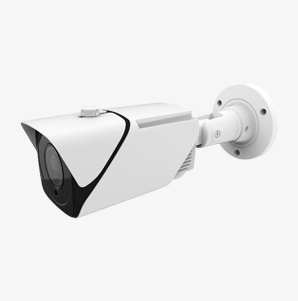
Video piles or high-position video recognize license plates and parking time points for on-street parking and perform parking monitoring. This realizes unmanned operation of on-street parking. Without manual processing, video piles or high-position video can collect on-street parking data and recognize license plates.
Charging Pile Usage
Monitors the equipment and business use of charging piles. Clicking a charging pile displays detailed information (total number of charging piles/number of idle charging piles in the area, total number/number of idle in a single charging station/parking lot), and red, yellow, and green colors can be used to distinguish the usage tension of charging piles in parking lots.
Guidance Screen Usage
Displays all parking guidance screens in map mode. By box selection on the map, the basic information of guidance screens in the area can be displayed, including guidance screen number, guidance screen address, guidance screen type, owner, real-time displayed content, etc. Red, yellow, and green colors can be used. Clicking can jump to a certain publishing screen to display the details of that display screen (published content, time period, etc.).
Roadside Patrol Fee Collectors
Displays the real-time location and trajectory data of fee administrators in map mode. Select or search for a fee collector, select a trajectory, and locate it to display the trajectory on the map. Parking lots have electronic fences; once leaving the electronic fence during working hours, the system automatically alarms.
On-Street Parking Management System
According to business modules, independently monitors and manages the parking business of on-street parking.
Parking Resource Planning
For on-street resources, according to the administrative region and administrative area, creates on-street parking lots and specifically divides the specific parking spaces of each road section parking lot.
Includes road section name, geographic location, region, number of space resources, geographic coordinates (latitude and longitude), and management unit. Tree display.
On-Street Parking Real-Time Monitoring
On-street real-time monitoring refers to real-time dynamic monitoring status based on vehicle entry and exit on-street. The monitoring content can be expanded according to project needs, displaying real-time entry time, exit time, parking duration, monitoring video, and entry and exit images.
Parking Lot Personnel Management
Fee collector number, name, gender, status, assigned parking lot, assigned parking space information, associated SIM card, and POS machine. Basic operations of adding, deleting, editing, and querying fee collectors can be realized. Displayed in graphic form; can query detailed information of fee administrators' shift status (on duty, off duty, late, early leave, absenteeism), and can click to view specific work time and sign-in records.
Device Management
Add, delete, edit, and query resource devices such as on-street NB geomagnetic sensors, video piles, and gateways. Real-time monitoring of geomagnetic operation status, whether there is a vehicle, battery voltage, and communication signal quality. Records and files the operation history of devices.
Order Management
Realizes real-time order management for users (user, entry time, payment time, payment method, exit time, refund time/supplementary payment time, completed/in-progress status), receivable amount, actual received amount, discount amount, and arrears orders.
Order details record the parking duration, fees, discount information, parking photo information, etc. of license plate users.
Off-Street Parking Management System
According to business modules, independently monitors and manages the parking business of off-street (indoor) parking.
Parking Lot Management
Parking lot management refers to the creation of the current parking lot and real-time monitoring of the parking lot operation status, including basic information provided to vehicle owners.
View: name, type, address, region, merchant (property company), creation time, total spaces, used spaces, vacant spaces, faulty spaces, parking status, details, etc. (parking lot operation monitoring). The actual parking situation of the parking lot can also be viewed.
Off-Street Device Management
Online monitoring of device operation status; if abnormalities occur (such as device offline, fault, etc.), alarms are issued in a timely manner. The monitoring center arranges fee administrators to verify; if true, a repair work order is generated.
Off-Street Real-Time Monitoring
On-street real-time monitoring refers to real-time dynamic monitoring status based on vehicle entry and exit off-street (indoor parking lot). The monitoring content can be expanded according to project needs, including: license plate number, basic user information, parking lot name, entry time and location, vehicle parking position, parking duration, exit time and location, entry and exit images, discount method, discount amount, payment fee, and payment method.
Off-Street Order Management
Off-street order management refers to the management of indoor parking lot orders. Includes off-street pending payment orders, paid orders, failed orders, etc.
Charging Management System
Charging management charges new energy vehicles and realizes value-added services attached to parking. For new energy charging, consumer users submit applications in the app or WeChat official account, and the platform can charge user vehicles after authentication. The platform side manages charging resources, operation monitoring, orders, and analysis.
Charging Pile Management
Realizes management of basic information of charging piles, including: charging pile code, QR code, charging type, pile standard, name, IP, selected parking lot-space, etc.
Charging Resource Monitoring
Displays faulty charging piles, number of normal piles, whether idle, failure rate, utilization rate, usage time, charging amount, and site detail monitoring in the form of data visualization.
Charging Order Management
Realizes management of basic information of charging piles, including: charging pile code, QR code, charging type, pile standard, name, IP, selected parking lot-space, etc.
Charging Analysis
Combines the charging data and space occupancy data of charging pile spaces in parking lots to analyze the proportion of parking and charging at charging pile spaces, that is, the ratio analysis of vehicles at charging pile spaces that only park but do not charge versus those that park and charge, so as to guide decision-makers in the rational layout of charging pile spaces.
Parking Guidance Management System
Guidance is an important part of city-level parking. By connecting to space status, it feeds back the remaining spaces of the current parking lot and guides users to park in an orderly manner. Guidance includes two parts: guidance and dispatch of parking resources. Guidance displays the data overview of remaining spaces. Dispatch is intervention in text or data content for certain road sections, making user travel and parking more orderly and safe, while alleviating parking congestion across the city.
Guidance Screen Device Management
Select region and road section, select devices, associate multiple parking lot information (primary and secondary screens), and set strategies such as effective publishing periods.
Supports device search and modification and maintenance.
Guidance Screen Information Management
View name, location, geographic location, type, publishing strategy (content), effective publishing period, publishing time, publisher, current status (whether online), and details.
Publish Guidance Information
Select region and road section, and edit, preview, and provide feedback on sending results for the content to be sent.
Guidance Dispatch Management
Guidance screen dispatch is manual intervention for certain parking areas. For example, when encountering peak staggered travel, dispatch parking information for some road sections and publish prompt information or other guidance information for consumer car owners to choose, with the purpose of alleviating travel pressure.
Select the guidance screens to publish and perform guidance dispatch for specific periods.
Settlement
The city parking finance module views and analyzes platform revenue. It allows decision-makers to have an in-depth understanding of the platform's revenue overview from multi-dimensional and data trend perspectives. It facilitates providing data reference for marketing decisions, activity support, etc.
Financial Overview
Includes today's charging statistics, line charts of revenue data by time period, proportion analysis of payment methods, summary and proportion of regional revenue data, etc.
Merchant Management
A merchant is the upper-level entity of parking lot operation, and a merchant can contain multiple parking lots. Merchants operate their own parking lots, and parking payment settlement is associated with the merchant.
Reconciliation Management
Reconciles online and offline revenue and can view the association relationships of accounts. If the actual revenue data of a parking lot does not balance with online data, differences can be checked. It also supports manual intervention and adjustment for unbalanced accounts.
Revenue Analysis and Statistics
The platform side performs statistics on financial information by time interval, revenue region, payment method, etc., in the form of statistics, tables, etc.
Operations
Responsible for carrying out city parking operation activities and viewing and analyzing operation effects.
Operations Overview
Revenue statistics and user behavior analysis statistics provide a systematic summary of the platform's overall operation data and help understand the overall operation situation.
Parking Index Overview
Provides an overview of the city's parking resource status through an index. The index is defined based on factors such as parking resources, real-time parking effects, and user convenience, reflecting the quality of the entire city's parking status.
User Management
Counts online, offline, monthly card, and auto-debit users, and sets user blacklists and whitelists.
Records user registration source, account, mobile phone, license plate, registration time, etc.
User details and corresponding operation processing.
Message Push Management
Message push includes active push and triggered push messages.
Active push includes system announcements and notifications.
Passive push is system push information automatically triggered when consumer users perform parking behavior, such as entering parking, parking space detectors detecting parking behavior, and triggering during payment. Messages can be pushed through multiple channels such as APP, WeChat official account, and SMS.
Marketing Campaign Management
Marketing campaigns include behavioral guidance and incentives for parking. They improve and consolidate the city-level parking customer group and drive active user participation.
Marketing campaigns include coupons and discount marketing. Support automatically giving coupons and discount encouragement when users perform actions such as parking, registering, binding license plates, and activating auto-debit.
Marketing campaigns support configurable and customized activity methods. Activity amounts can also be independently configured, which is very convenient.
Parking Space Sharing
Supports configuration and management of shared parking spaces. Basic information such as the publisher, publishing time, contact phone number, unit price, and sharing period of each shared parking space can be queried. At the same time, all shared parking orders can also be queried, including the parker's license plate number, mobile phone number, entry and exit time, payment amount, etc.
Electronic Invoice
Can issue invoices that meet standards. The invoice content should reflect the parked vehicle information, parking location information, and detailed charging information, etc.
Customer Complaint Handling
Records the content information of consumer user telephone complaints. Marks the time and location of the complaint. The follow-up status of the complaint event includes processing, processed, and abnormal handling.
Parking Operations and Maintenance
The operations and maintenance center is mainly responsible for monitoring the operation of platform devices and dispatching and maintaining system work orders. It provides real-time monitoring of devices being online, offline, abnormal, battery, etc.
Operations and Maintenance Overview
Work order overview: total work orders, processed work orders, and pending work orders. A summary statistics of the overall platform work order processing and maintenance data.
Operations and Maintenance Work Order Overview
Statistics of work order conditions in the recent week and the current day in chart form. It also displays specific names, statuses, locations, etc. of work orders in lists and other forms.
Operations and Maintenance Monitoring
Realizes monitoring of the operation status of on-street and off-street infrastructure including geomagnetic sensors, gateways, parking lot controllers, PDA, SIM cards, video piles, and other devices.
Operations and Maintenance Work Orders
For on-street and off-street operations, rule events are created. When devices or business trigger the preset warning range of an event during system operation, system work orders are generated. The system distributes information according to duty inspectors, enabling automated operations and maintenance of work orders.
It also supports manual work order dispatch.
After a work order is created, the status, handler, and progress of the work order can be viewed throughout the process.
System Settings
Provides systematic management of system account management, permission control, operation logs, etc.
Account Management
Performs account management for system administrator accounts, including creating accounts and assigning permissions.
Organization
Manages the hierarchy, subordinate relationships, and related information of organizations. Under one system, parking operations can be divided into multi-level organizations, and data between organizations can be isolated to protect each other's data privacy. Only the highest organization has permission to view the operation of associated data across all organizations.
Menu Settings
Menu division can be customized, and menu levels and names can be customized.
System Log
Records all system operations in detail, including log type, log level, operation IP, operation log, etc.
City Parking Consumer-Side Parking
Download the Jieshun Parking APP or follow the Jieshun Parking official account, and car owners can obtain the city-level on-street + off-street high-experience parking services provided by the city smart parking cloud platform.
Bind their own license plate number to search for parking lots (parking sections) on the APP or official account, view vacant spaces and charging standards, and navigate in real time to the parking lot (section), solving the difficulty of car owners having no place to park and realizing planned travel for car owners.
Car owners can recharge and obtain coupons through the APP or official account, enabling convenient parking services such as self-service mobile payment and seamless automatic payment in off-street parking lots.
The Jieshun Parking APP or official account enables information interaction with car owners, timely notifying car owners of the actual parking situation of vehicles, including reminders for entry, exit, payment, and renewal, bringing a pleasant parking experience to car owners.
City Parking Portal Website
Realizes cloud service functions for car owners, the public, and operation contracting enterprises, and provides a unified service portal to the general public, including value-added services such as user registration, news and advertisement publishing, web parking guidance, invoice collection, travel guides, and map-based real-time query of space occupancy status. Users can self-service obtain related services through the consumer portal.
Realizes cloud service functions for car owners, the public, and operation contracting enterprises, and provides a unified service portal to the general public, including value-added services such as user registration, news and advertisement publishing, web parking guidance, invoice collection, travel guides, and map-based real-time query of space occupancy status. Users can self-service obtain related services through the consumer portal.
City Parking PDA Management
Smart PDA supports cash charging and code scanning. Combined with the business platform, it can realize real-time information interaction and accurately record data, effectively solving the problems of bill evasion and arbitrary charging, and providing a basis for recovering fees from vehicles that owe or evade fees, effectively improving parking management monitoring and the informatization level of parking services.
Through login, fee collectors can check work records and shift arrangements;
Verify the parking records pushed by the system, and timely enter license plates to complete orders;
Cooperate with the system-linked processing of charging, refunds, and recovery, effectively plugging loopholes in fee evasion and arrears.