Home/Solutions/Solution Details/
Catalog
Industry Background
Industry Status
Development Needs
Construction Goals
System Design
System Applications
Related Products
Application Cases
Catalog
Catalog

Future Rural Zero-Carbon Solution

Overview

Fine-grained management of dual carbon projects at both micro and macro levels, ensuring stable returns for local governments, is an important boost for building a high-quality, highly available digital platform and the best choice for implementing an overall zero-carbon solution in future villages today.

Industry Background

The first United Nations Habitat Assembly released the Net Zero Carbon Rural Planning Guide and put forward 'zero carbon' construction recommendations. Zero carbon means offsetting generated carbon dioxide and other greenhouse gases within a region through energy saving and emission reduction in production and life, low-carbon circular development, afforestation, and other forms, ultimately achieving 'net zero emissions' and the goal of zero-carbon balance.

China first explicitly proposed the goals of carbon peak and carbon neutrality at the general debate of the 75th United Nations General Assembly in September 2020. China announced that it would adopt stronger policies and measures and committed to striving to reach the peak by 2030, reducing carbon dioxide emissions per unit of GDP by 60%-65% from 2005 levels by 2030, and achieving the far-reaching goal of carbon neutrality before 2060.

Industry Status

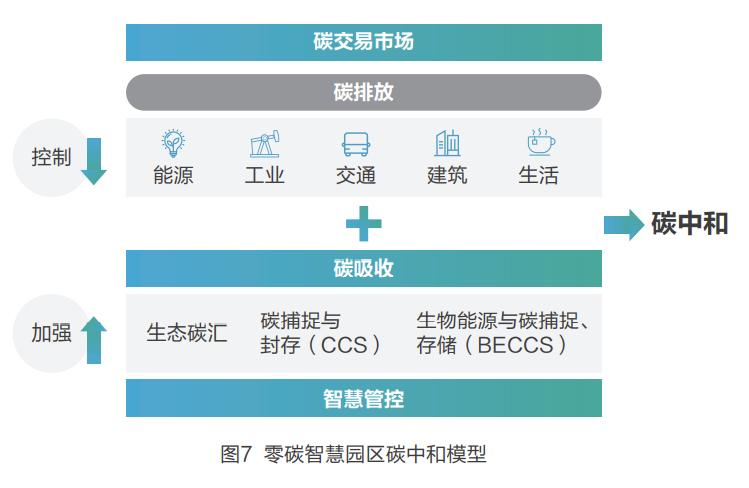
At present, the core industrial architecture of China's carbon neutrality industry chain can be roughly divided into three parts from carbon emissions to carbon absorption: the front end is carbon emissions; the middle end improves energy saving and emission reduction levels, carbon capture, carbon absorption, and so on; the back end strengthens ecological carbon sinks, including the use of new energy power generation, new energy vehicles, developing green buildings in future villages, expanding tree planting areas, and using carbon trading markets to increase carbon absorption capacity.

Fields Involved in Zero Carbon

First, the power industry. At present, China emits 0.8-0.9 kg of carbon dioxide for every kWh of electricity generated. If coal consumption per kWh is reduced by 1 gram, the whole country can reduce carbon dioxide emissions by 7.5 million tons per year. Therefore, efforts should be concentrated on accelerating technological transformation, promoting emission reduction in thermal power, and implementing the 'Green Coal Power' plan. This will mainly rely on developing efficient utilization technologies for clean coal conversion and improving coal-fired power generation efficiency, among which improving coal-fired power generation efficiency can achieve a 15% emission reduction. At present, promising high-efficiency and clean coal power generation technologies mainly involve integrated gasification combined cycle (IGCC), circulating fluidized bed combustion (CFBC), and other technologies.

Second, the materials and manufacturing field. This mainly focuses on two aspects: one is metal material manufacturing. The steel industry must combine total volume control, elimination of outdated capacity, and technological transformation to promote energy saving and emission reduction. The other is polymer materials. Taking polymer materials prepared via the petroleum route as an example, estimates show that every 1 ton of plastic produced consumes 2-5 tons of crude oil and emits 4-8 tons of carbon dioxide. Therefore, on the one hand, new stabilization technologies should be vigorously developed to improve material service life, thereby saving petrochemical resources and reducing greenhouse gas emissions. On the other hand, bio-based and biodegradable plastics technologies can be applied to directly replace petrochemical resources with renewable resources, while accelerating the development of efficient new recycling technologies. If an industrial chain is formed from raw materials to recycling and treatment, taking 10 million tons of bio-based materials per year as an example, carbon dioxide emissions per unit product can be reduced by more than 40%.

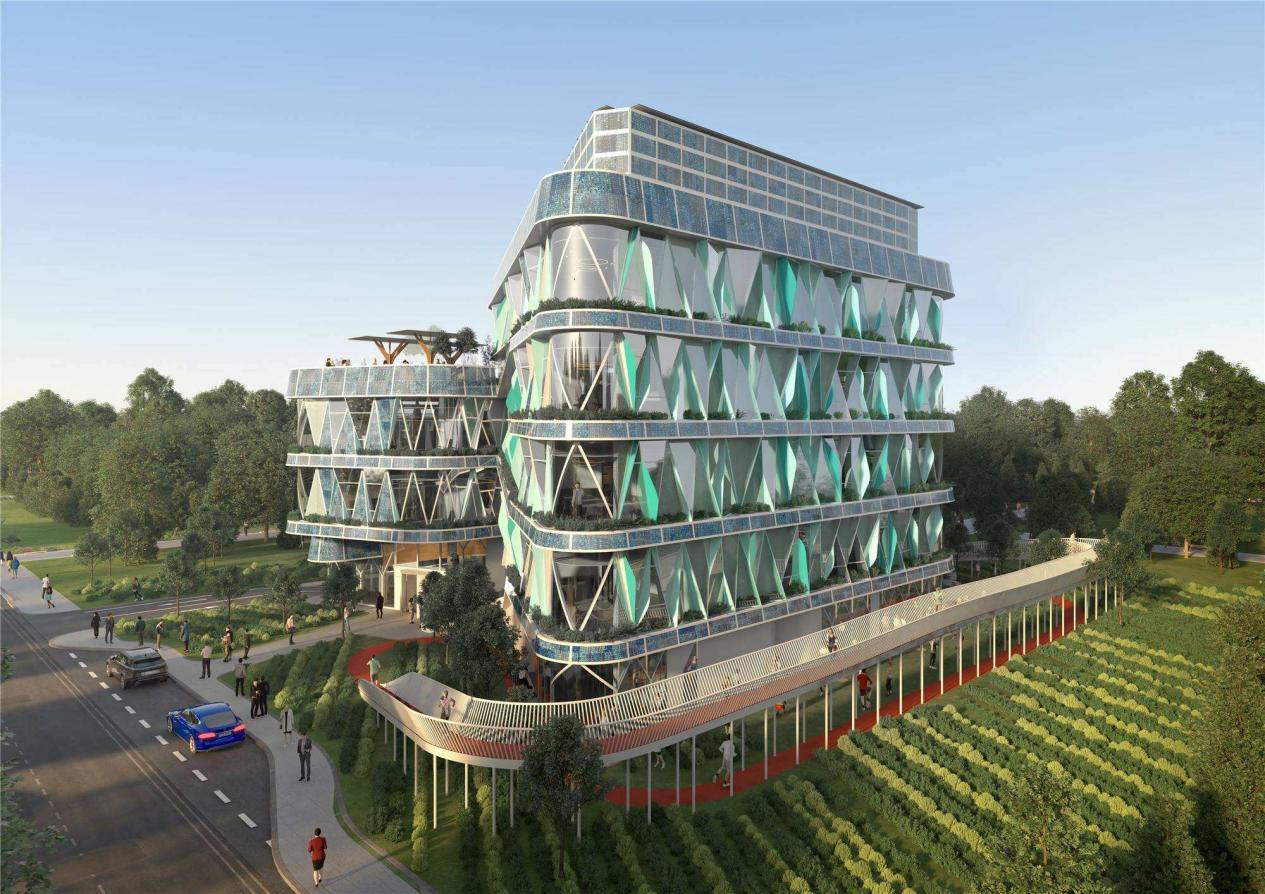
Third, the building field. At present, 60% of urban carbon emissions come from buildings maintaining their functions. Building a green building technology system and developing low-carbon buildings are extremely important. The key is low-carbon control and optimization throughout the entire process of building planning and design, construction, use, operation, maintenance, demolition, and reuse. For example, in the construction stage, rooftop photovoltaic power generation technology can be used to effectively integrate natural light and lighting; unpowered roof ventilation equipment can be built to adjust airflow speed and drive fans to generate electricity. In the use stage, a 'green roof' can be built by planting flowers and plants on the roof, which not only achieves a cooling effect and saves air-conditioning power but also absorbs atmospheric pollutants. In the demolition stage, building waste can be effectively recycled and utilized to prevent secondary pollution.

Fourth, the carbon sink field. Carbon sink, whose full name is 'carbon emission rights trading', refers to the behavior in which emission reduction entities trade surplus emission allowances or carbon emission rights under the premise of determining a baseline emission level or total volume control within a certain scope (such as a country, a region, or the globe). The 'carbon emission rights trading' market is a market artificially created by the government through controlling emissions from energy-consuming enterprises. It is reported that China is the world's largest carbon emitter, and 'carbon emission reduction' action brooks no delay. To achieve the carbon neutrality goal by 2060, the Chinese government has successively issued relevant policies in recent years to promote the development of 'carbon emission rights trading'.

Problems Facing the Industry

First, an advanced low-carbon technology R&D system has not yet been formed.

Universities and research institutes focus on frontier scientific development and new technology experiments, and it is difficult to form large-scale or commercial applications in the short term. Because the Carbon Peak Action Plan Before 2030 has not yet been issued, nationwide carbon trading markets, carbon taxes, and other related systems have not yet been fully established, industries and enterprises also have insufficient understanding of achieving green transformation, and enterprises lack internal motivation to organize their own efforts for green and clean technology R&D. At present, a systematic scientific and technological innovation system involving multiple parties around green and low-carbon technologies has not yet been formed.

Second, an industrial clean technology substitution system has not yet been formed.

At present, for high-carbon-emission industries such as steel, chemicals, and nonferrous metal smelting, key R&D is needed for technologies such as oxygen blast furnaces, hydrogen metallurgy, and new low-carbon processes. Compared with traditional technologies, due to reasons involving new equipment R&D, process safety, and technology maturity, the above technologies are difficult to substitute in the short term.

Third, pathways and recommendations for China's scientific and technological innovation to support carbon peak and carbon neutrality.

Scientifically planning pathways and solutions for achieving carbon peak and carbon neutrality requires basing efforts on the new stage of sustainable development, implementing the new green and low-carbon development philosophy, coordinating the relationships between development and emission reduction, the whole and the part, and the short term and the long term, and using scientific and technological innovation as the driving force to form a green and low-carbon energy structure, industrial combination, production mode, lifestyle, and spatial layout.

Fourth, 'emission reduction, sink enhancement, carbon conservation, and sequestration' are widely recognized effective pathways for achieving the 'dual carbon' goals.

'Emission reduction, sink enhancement, carbon conservation, and sequestration' (hereinafter referred to as 'reduction, enhancement, conservation, and sequestration') are widely recognized effective pathways for achieving the 'dual carbon' goals. China's 'dual carbon' action should follow a technological pathway that implements the coordinated advancement of 'reduction, enhancement, conservation, and sequestration'. 'Reduction' means promoting technological progress in energy supply and industrial consumption, following a path of developing a decarbonized and emission-reduced economy, and directly reducing anthropogenic carbon emissions; 'enhancement' means using ecological engineering and land management to increase the carbon storage and carbon sequestration functions of terrestrial and marine ecosystems; 'conservation' means protecting the carbon storage and carbon sequestration capacity of existing terrestrial and marine ecosystems; 'sequestration' means using geological engineering, biotechnology, and ecological measures to capture, utilize, and store atmospheric CO2.

Development Needs

Industry Characteristics

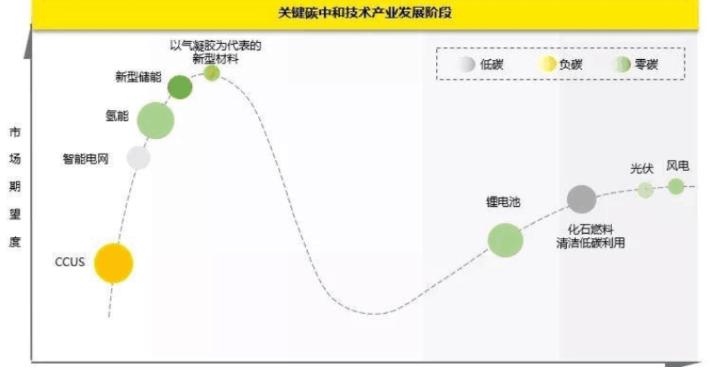
If China wants to continue playing an important role in the carbon neutrality era and enhance its global competitiveness, it must increase investment in zero-carbon technologies. For a critical zero-carbon technology such as CCUS, when its economic performance is poor, it may not be developed on a large scale, but technological reserves and application demonstrations should be carried out in advance. From the strategic height of national energy security and sustainable economic development, attention should be paid to CCUS technology innovation and promotion. Top-level design should be strengthened, fiscal, tax, and financial policies and market-based mechanisms should be issued and improved, and a CCUS industrial system suited to national conditions should be gradually formed, providing digital system support for building a diversified energy supply system in which fossil energy and renewable energy complement each other, so as to firmly grasp the initiative in development.

Among them, zero-carbon technologies include two aspects:

First: carbon emissions (mainly in urban areas, industrial parks, power plants, and cement plants)

1) Green energy technologies

Solar energy, wind energy, biomass energy, tidal energy, geothermal energy, nuclear energy, etc.

2) Energy saving and emission reduction technologies for traditional fossil energy

Efficient, clean, and comprehensive extraction and use of coal, oil, and natural gas.

3) Energy saving and emission reduction technologies in other industry processes

Energy saving in manufacturing, buildings, and transportation; the core of carbon capture, storage, and utilization technology is CCUS technology (Carbon Capture & Storage), namely carbon dioxide capture, storage, and utilization technology.

Second: carbon sinks (mainly in future villages)

Ecological environment governance through anthropogenic carbon sequestration pathways. Through ecological environment construction, soil carbon sequestration, and combined technologies and engineering such as atmospheric CCUS, basic anthropogenic carbon emissions are offset or neutralized. Before breakthroughs are made in critical and disruptive energy technologies, consolidating and enhancing ecosystem carbon sink functions through anthropogenic ecological engineering construction is the most effective, greenest, most economical, and most large-scale technological pathway. It also highly matches the national ecological civilization construction goals and can be regarded as the 'ballast stone' for achieving the 'dual carbon' goals and the 'stabilizer' for social and economic development.

Development Direction

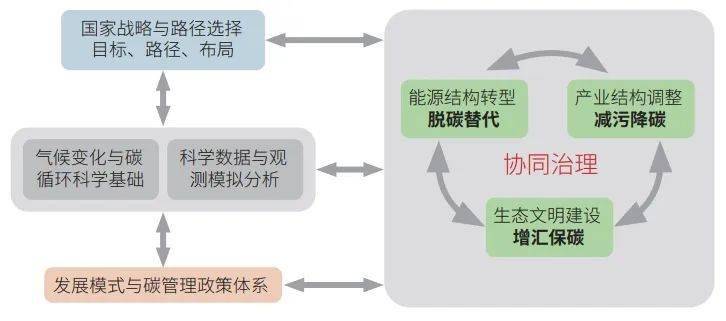
Only by implementing the 'three-way integrated' technological transformation of 'energy structure transformation, industrial structure adjustment, and ecological environment governance', as well as the 'four-pronged approach' technological pathway of 'reduction, enhancement, conservation, and sequestration', can the arduous and grand 'dual carbon' goals be achieved at low cost and steadily, the conflict between economic and social development and carbon emission reduction be resolved, and coordinated unity among technological progress, economic transformation, pollution control, ecological restoration, and ecological civilization construction be achieved. This will form a new situation of coordinated development featuring 'decarbonization and carbon reduction - emission reduction and pollution reduction - greening expansion and sink enhancement - sustained growth', endowing the strategic layout of economic and social development with necessary resilience and adaptability.

To achieve the 'dual carbon' action goals, China needs to adhere to three basic principles:

1) Promote social development and technological innovation, and strengthen energy saving and emission reduction;

2) Tap the potential of ecological carbon sequestration and engineering carbon storage, and retain appropriate space for carbon emissions;

3) Reduce economic costs and social risks, and cultivate and expand the new ecological economy.

Construction Goals

On the basis of implementing the three basic principles, the 'three-way integrated' innovation strategy of 'energy structure transformation, industrial structure adjustment, and ecological environment governance', and the 'four-pronged approach' technological pathway of 'reduction, enhancement, conservation, and sequestration', it is also necessary to implement the 'five coordinated overall planning' layout across all industrial fields and the entire territorial space, and comprehensively promote the integration and unity of the 'dual carbon' action with economic and social transformation, industrial carbon reduction and pollution control, ecological civilization construction, comprehensive territorial space governance, and the scientific implementation of systems thinking.

Emission Reduction Needs

Greenhouse gases and atmospheric pollutants have the intrinsic characteristic of sharing the same roots and sources. Coordinating the 'dual carbon' action with air pollution prevention and control is the focus of China's current ecological civilization construction. It can provide systematic and multi-dimensional solutions and governance countermeasures for achieving the 'dual carbon' goals and clean air with twice the result with half the effort.

Ecological Carbon Conservation

The ultimate goal of promoting ecological civilization construction is to strive to build a prosperous, beautiful, and healthy modern power and realize the sustainable development of the Chinese nation. The 'dual carbon' goals are undoubtedly the most powerful flagship action and lever for ecological civilization construction in the new era. Ecological carbon conservation and greening for sink enhancement are both key pathways for achieving the 'dual carbon' goals and important ecological guarantees for building a beautiful China.

Scientific and Technological Support

The great scientific, technological, and social changes driven by the 'zero carbon' goal will change China's traditional social and economic development model, industrial division of labor, and scientific and technological system, and urgently require strong scientific and technological support. To this end, the scientific and technological community should focus on the 'dual carbon' action and goals and carry out scientific and technological research in seven key areas.

Scientific and technological support system for implementing the 'dual carbon' action

Ecological Sink Enhancement

Ecosystems all play important carbon sink functions. Protecting, consolidating, and enhancing the natural ecosystem carbon pools and carbon sink functions of the entire territorial space, and comprehensively tapping the carbon sink potential of land-water-marine systems, are important technological pathways for implementing the 'dual carbon' task.

Social Development

With the coordination of the 'dual carbon' goals and ecological construction as a dual-driven mechanism, accelerate the transition from a carbon-based energy industrialized society to a new-energy ecological economic society. While ensuring a development trend of seeking progress while maintaining stability in the macroeconomy, guide the formation of new ecological economic theories and markets, and establish incentive mechanisms for the state, enterprises, and the public to participate in the 'dual carbon' action.

Air-Space-Ground Coordination

Soil organic carbon and inorganic carbon in ecosystems jointly determine changes in the soil carbon pool. Inorganic carbon exchange between the surface and the atmosphere, carbon emissions or absorption in geological processes, emissions of non-CO2 greenhouse gases, and the greenhouse effect are attracting increasing academic attention. Therefore, if the national 'dual carbon' action only focuses on the management and control of ecosystem organic carbon cycle processes, it is far from enough. It must comprehensively consider and accurately weigh the synergistic relationship among organic carbon sinks, inorganic carbon pools, and non-CO2 greenhouse gases, ensuring the integrity of the systematic solution for the 'dual carbon' action.

System Design

As intelligent and digital technologies continue to deepen in the new energy sector, new energy enterprises have successively launched zero-carbon solutions based on their positions in the chain and their own understanding. Under the overall layout model of future villages, an overall solution is designed from five aspects: carbon accounting, carbon distribution, carbon sink subsystem, carbon portrait subsystem, and auxiliary decision-making subsystem. Digital and AI methods are introduced into the zero-carbon solution to achieve carbon neutrality and sustainable development in future villages.
System Architecture

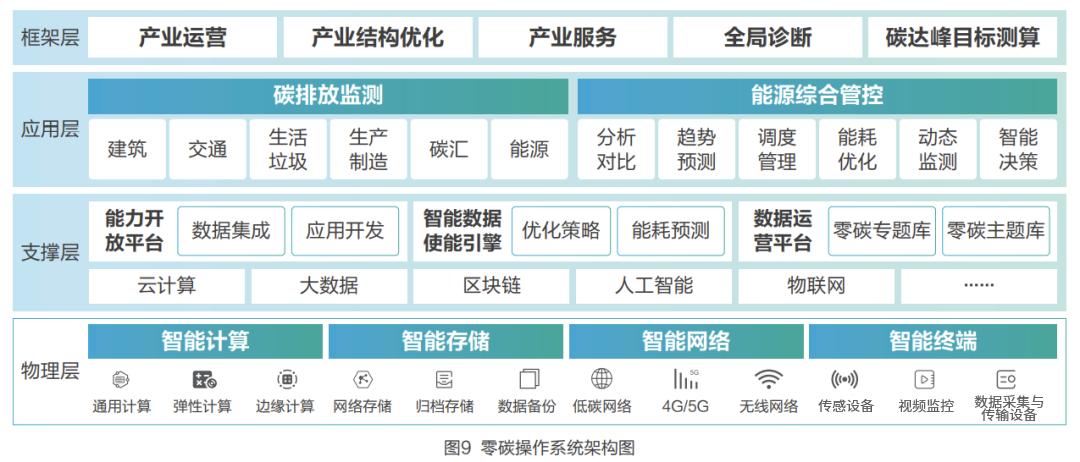
Zero-Carbon Subsystem Architecture

The system includes the physical layer, support layer, application layer, and framework layer. The framework layer also includes: industrial operation, industrial institution optimization, industrial services, global diagnosis, and carbon peak target calculation.
Zero-Carbon System Business Architecture

The system includes: monitoring capability module, carbon trading capability module, and management capability module.
System Introduction

Basic Network Subsystem

Includes: databases for enterprise, industry, and regional carbon emission accounting, carbon source carbon accounting, and so on.

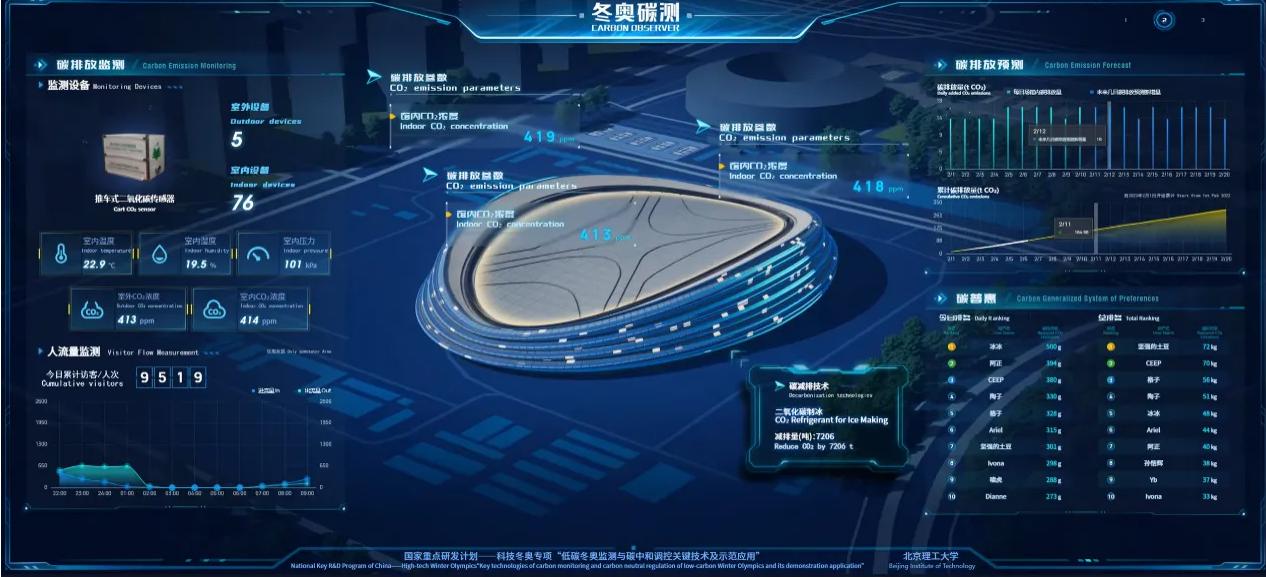
Carbon Emission Monitoring Subsystem

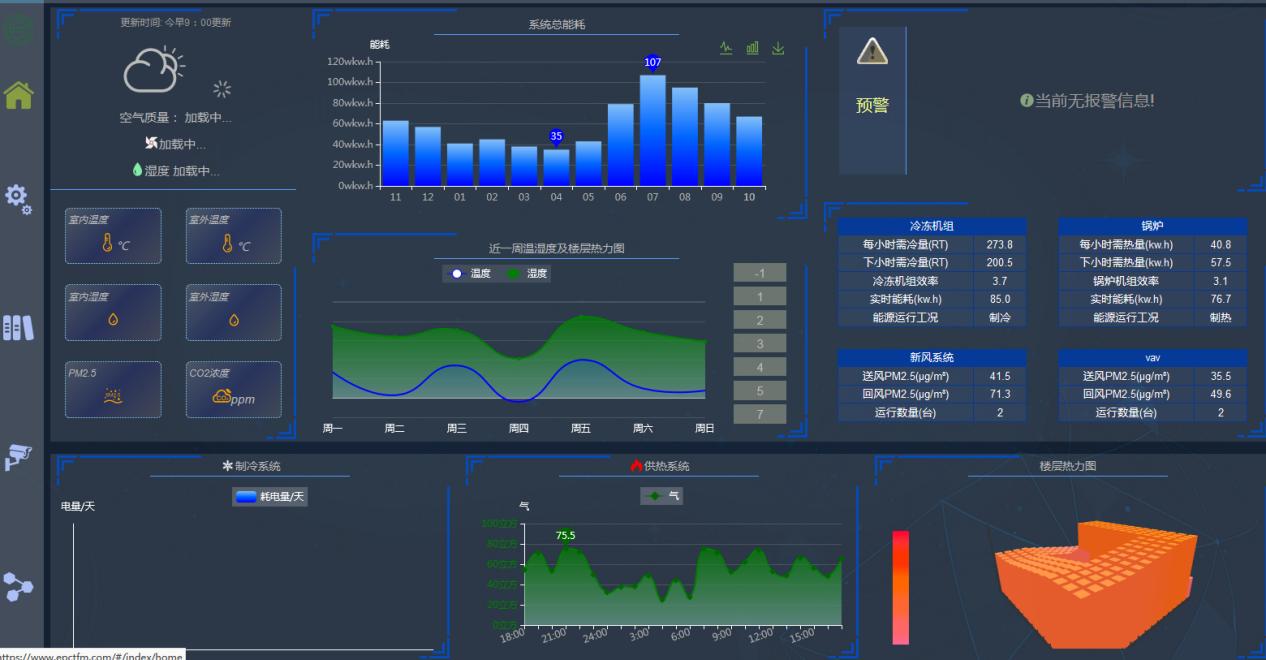
Includes: aggregation of enterprise, industry, and regional carbon emissions, and carbon source heat maps.
New Energy Power Generation Subsystem

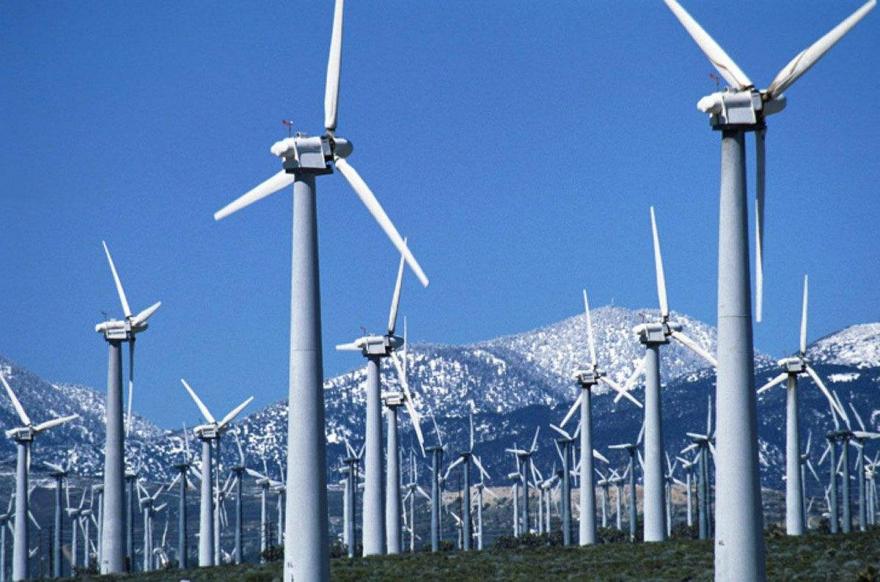
Includes: photovoltaic power generation subsystem, wind power subsystem, charging pile subsystem, and street lamp subsystem.
Ecological Carbon Saving Subsystem

Includes: energy saving and emission reduction in renovation of old buildings, energy-saving design of new buildings, and environmental protection sewage treatment.
Dual Carbon Management Subsystem

Includes: energy saving, emission reduction, and atmospheric monitoring, evidence collection, and management subsystem. A civilized travel advocacy and environmental carbon saving subsystem.
Carbon Sink Trading Subsystem

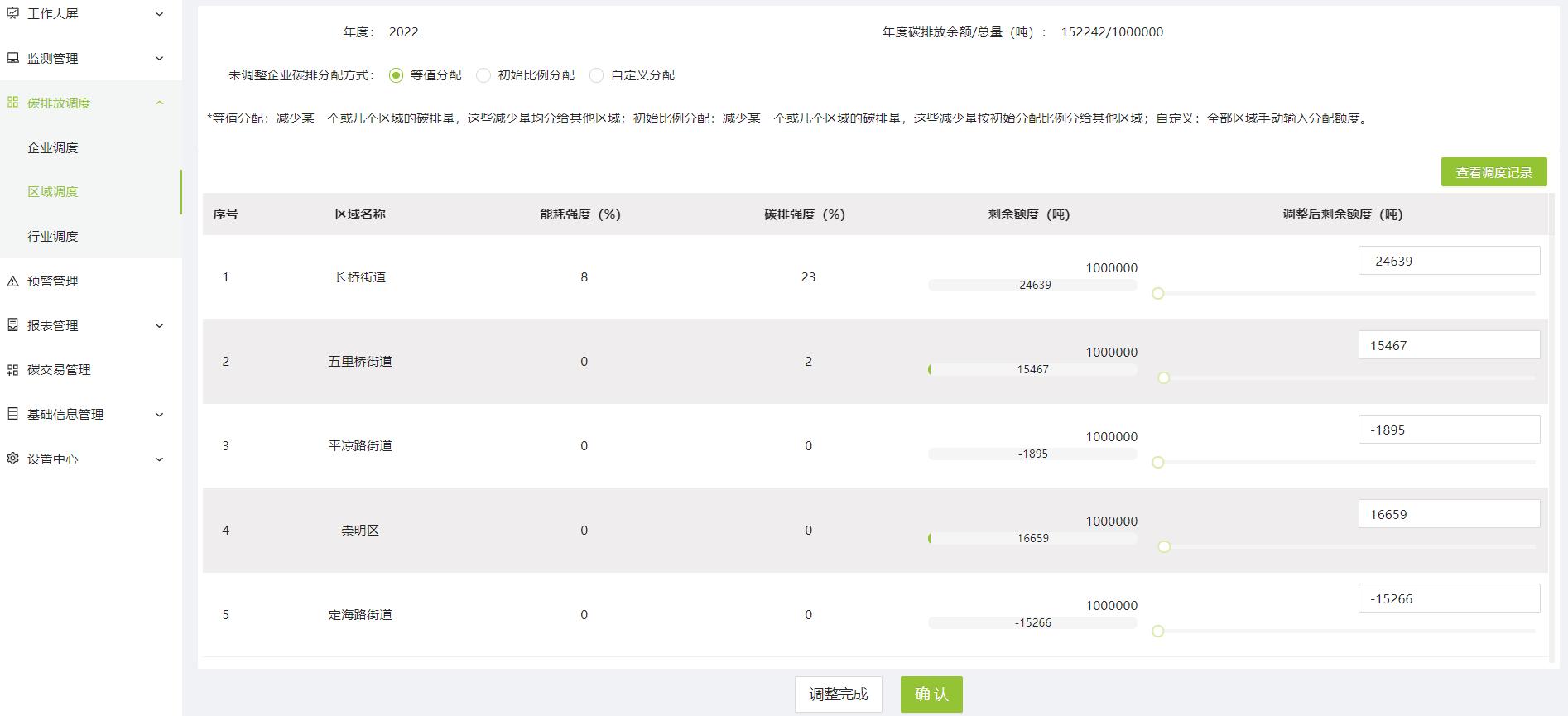
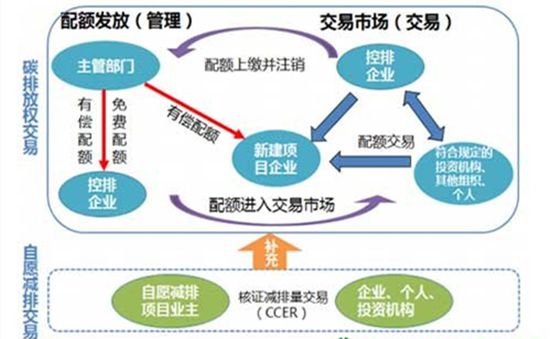
Includes: carbon emission rights trading and resource emission reduction trading. Through system trading, overall carbon neutrality and carbon emission reduction scheduling are achieved, and surplus carbon allowances in villages are sold to urban areas or enterprises in need. Through carbon sink trading, production and income are increased, the green development path is adhered to, and common prosperity is achieved.
Financial Support Subsystem

The financial support system includes: exploring green finance and promoting the marketization of carbon trading. Using new-generation information technologies such as artificial intelligence, blockchain, and big data, strengthen the collection and real-time analysis of financial environmental risk information, and explore a trading system that achieves precise identification of green projects, intelligent rating and pricing, and automated early warning and disposal. Through technologies such as artificial intelligence, big data, and the Internet of Things, improve the regulatory process of green finance business, and optimize regulatory tools such as transaction monitoring, stress testing, performance evaluation, and compliance reporting. Explore the use of technologies such as blockchain, secure multi-party computation, and federated learning to establish cross-department, cross-region, and cross-industry data integration channels, further enrich and improve the green credit information system, and consolidate the data foundation support for green finance development and regulation. Link carbon finance and the carbon trading market to help achieve carbon neutrality.

Zero-Carbon Portrait Subsystem

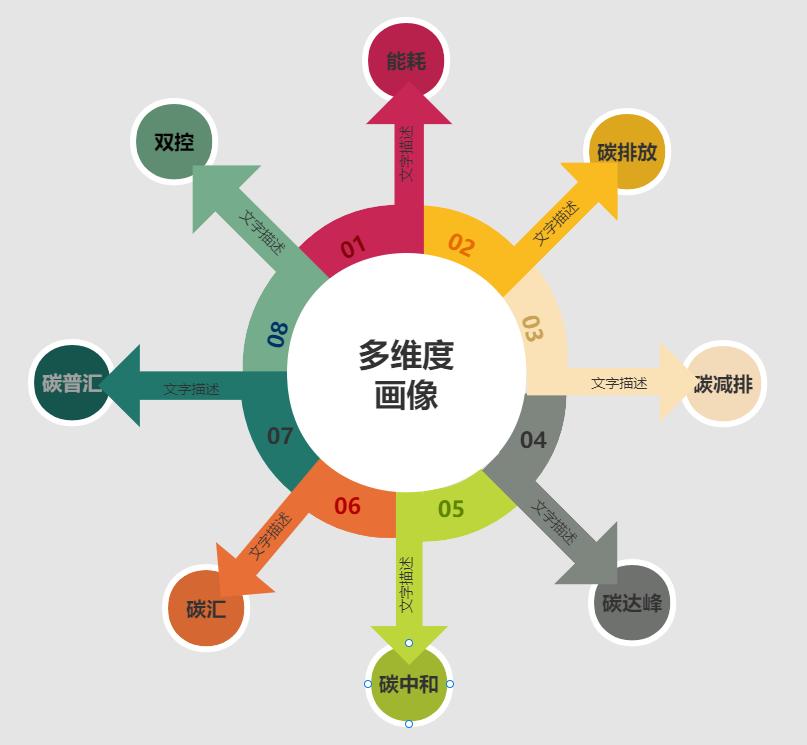
Includes: multiple functions such as business format detection, carbon source detection, and carbon reduction detection. According to rules, portrait the carbon emissions and carbon sinks of enterprises and regions from eight dimensions: energy consumption, carbon emissions, carbon emission reduction, carbon peak, carbon neutrality, carbon sinks, carbon inclusion, and dual control targets, guiding the development of the dual carbon industry.
AI Decision Subsystem

Includes: through prior data governance and early warning implementation scheduling, enterprises with high carbon emissions and high energy consumption in future villages can be warned, and managers can be notified to take mandatory carbon trading or emission reduction measures against them. In the pre-review process of planned projects, carbon neutrality assessments and so on are carried out.
Function Introduction

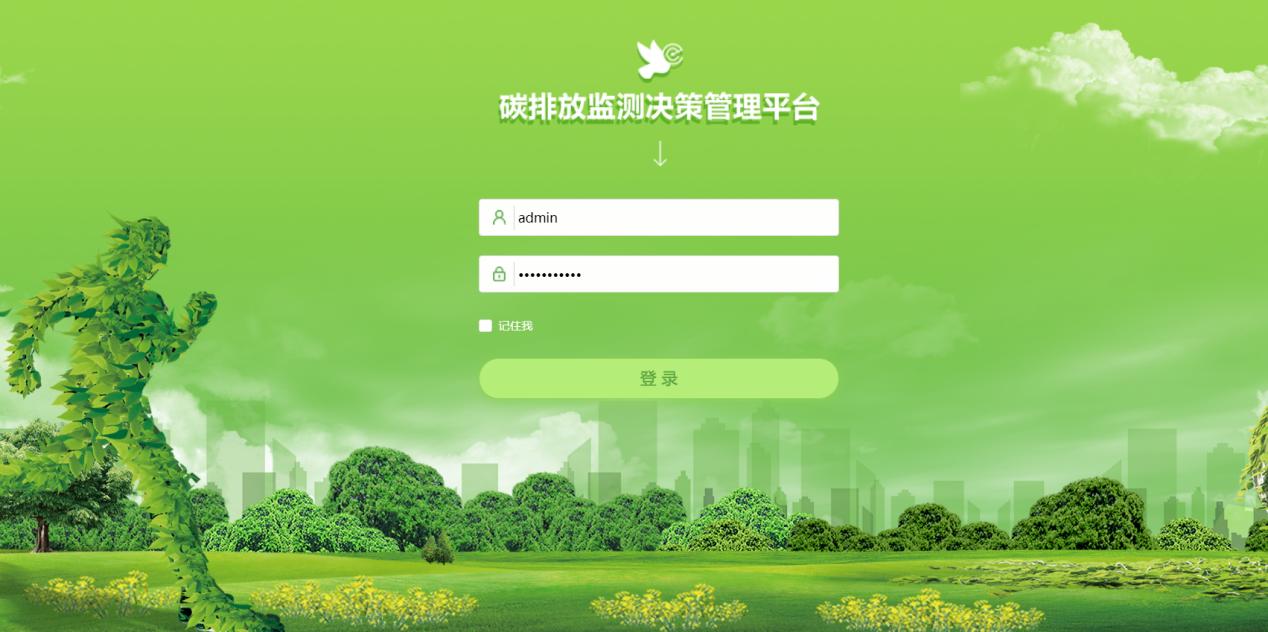
Unified Login Page
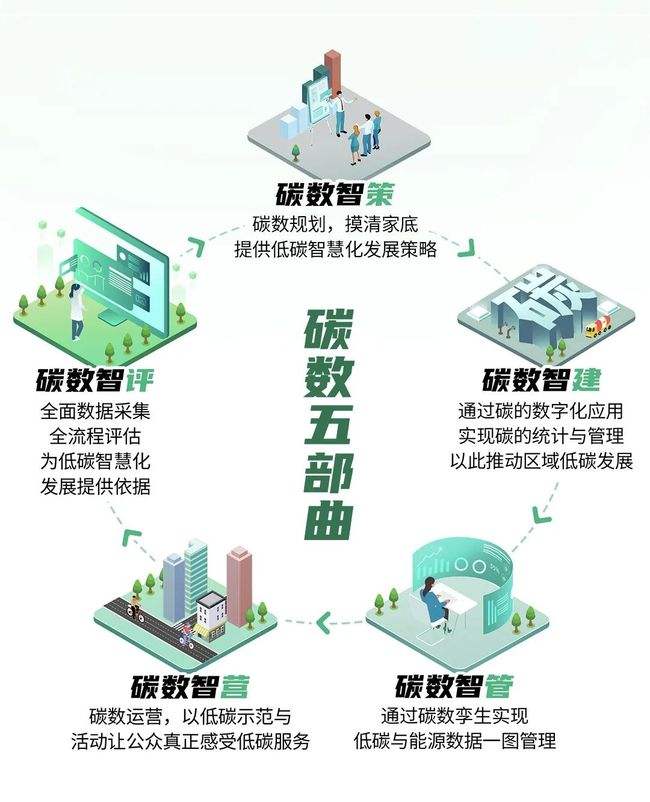
Unified Management on the Governance Side

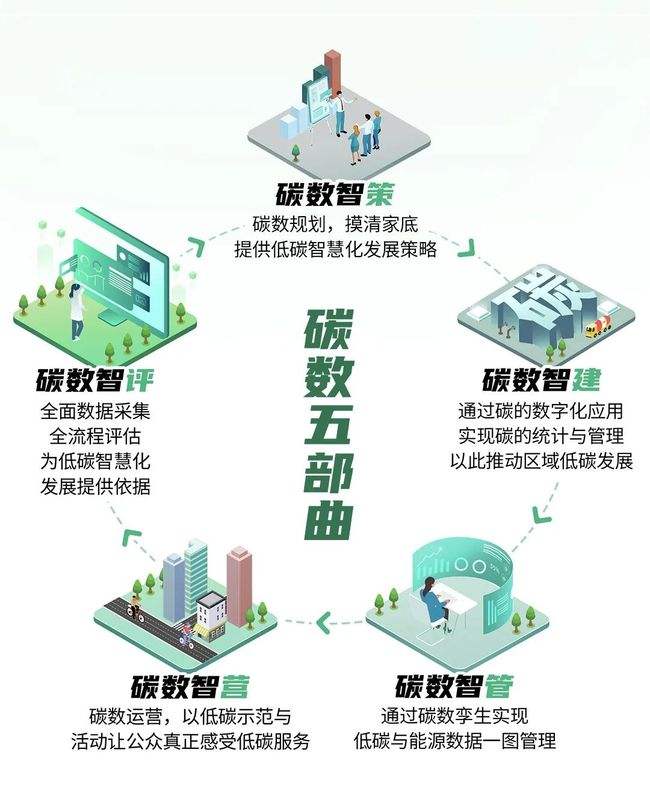
The governance side includes: carbon digital policy, carbon digital intelligent construction, carbon digital intelligent management, carbon digital intelligent operation, and carbon digital intelligent evaluation.
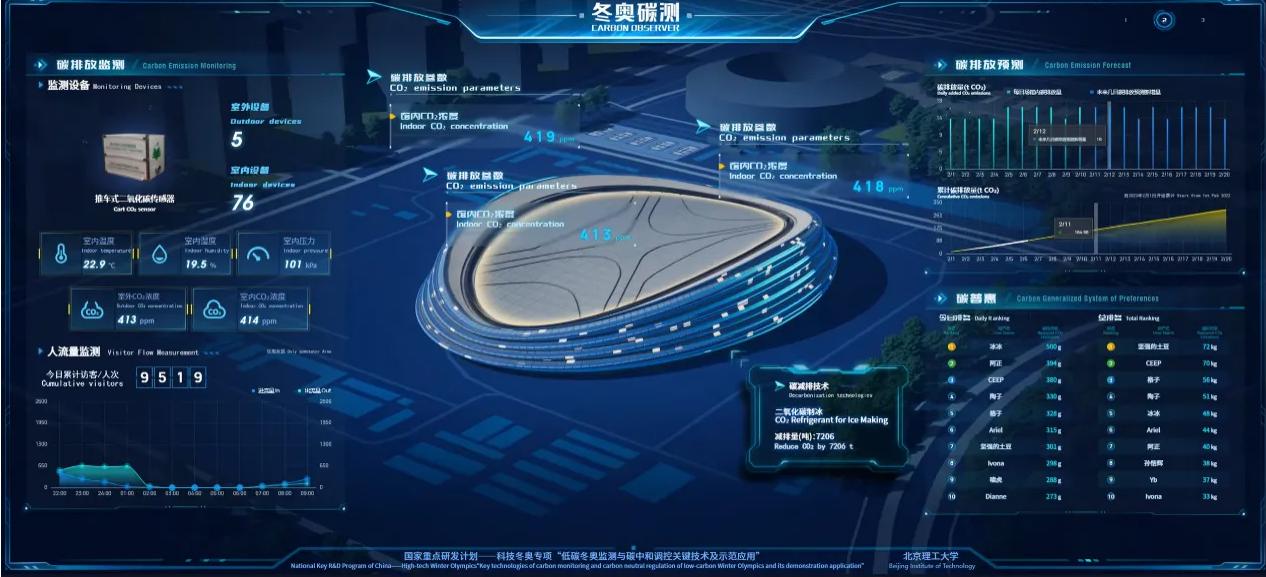
Unified Monitoring on the System Side
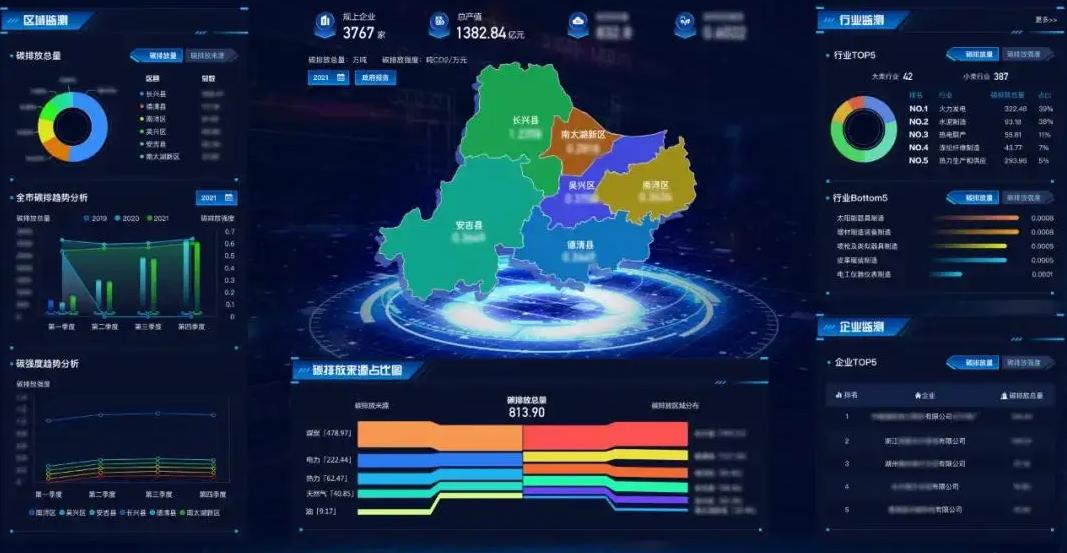
Unified Command on the Government Side
Unified Trading on the Market Side
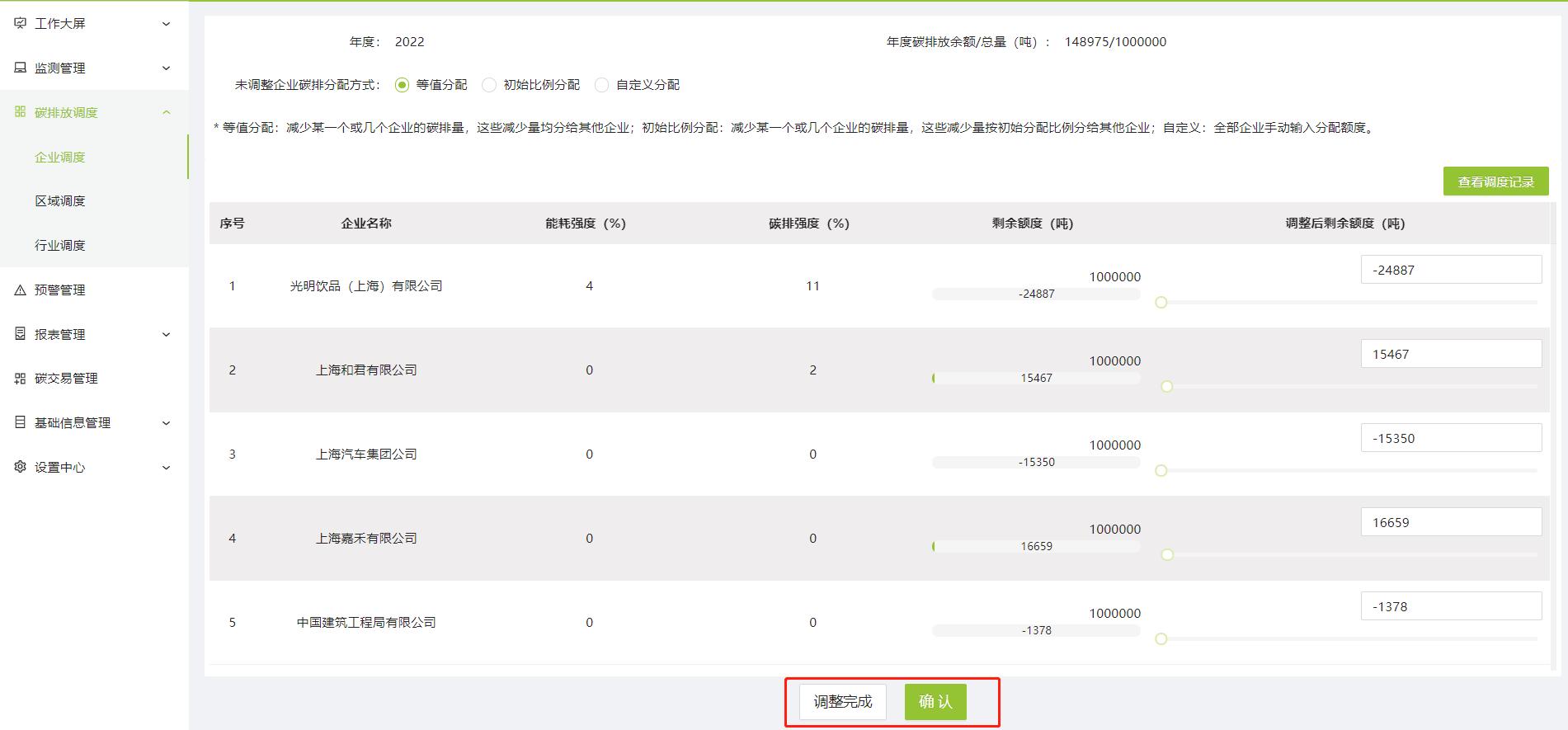
System Features

This system involves all links of the zero-carbon industry front end, including carbon capture, management, monitoring, application, trading, and evaluation. It has nine major features, including: wide coverage, rich functions, integration of cutting-edge technologies, massive emission factors, precise carbon calculation, digital monitoring, multi-dimensional analysis, panoramic cockpit, and intelligent decision-making.

Integration of Multiple Industries

From the perspective of regions and industries, this system involves many aspects such as traditional industries, green new energy, ecological environmental protection, low-carbon finance, and information integration.
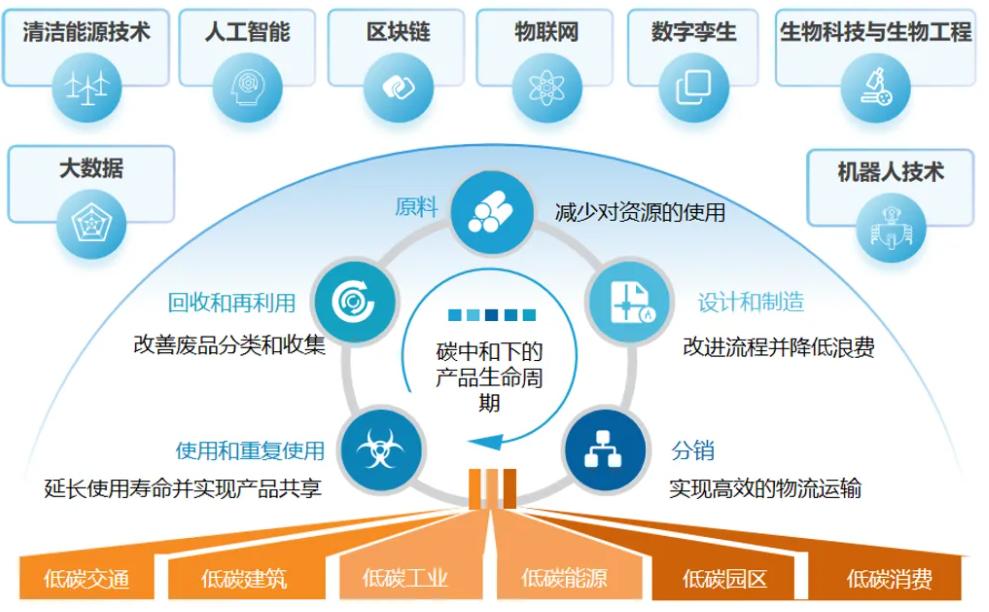
Rich Functions

From the multi-dimensional dimensions of carbon digital policy, carbon digital intelligent construction, carbon digital intelligent management, carbon digital intelligent operation, and carbon digital intelligent evaluation, it is equipped with: basic network subsystem, carbon judgment monitoring subsystem, new energy power generation subsystem, ecological carbon saving subsystem, dual carbon management subsystem, carbon sink trading subsystem, financial support subsystem, low-carbon portrait subsystem, and auxiliary decision-making subsystem.

Integration of Multiple Technologies

This system combines existing Internet of Things technology and brings massive front-end sensors (cameras, atmospheric sensors, CO2 detection sensors, new energy sensors, energy consumption sensors, drones, environmental soil sensors, etc.) into the platform to obtain massive concurrent data. It conducts governance through a unique system architecture, ensuring system reliability under high concurrency.

For the backhaul network, this system uses 5G networks or advanced high-speed optical fiber transmission technology to quickly backhaul carbon-related front-end data. The minimum network latency can be shortened to the ms level, ensuring real-time data transmission.

AI Industry Empowerment

Collect default emission factor values from IPCC, provincial greenhouse gas guidelines, and 24 industry accounting guidelines to form a massive emission factor library. Factors and features are embedded into corresponding AI algorithms to accelerate the digitalization process.

Precise Carbon Calculation

Relying on provincial and 24-industry accounting guidelines, build a precise carbon calculation model covering five major fields: energy, industry, buildings, transportation, and residents' daily life.
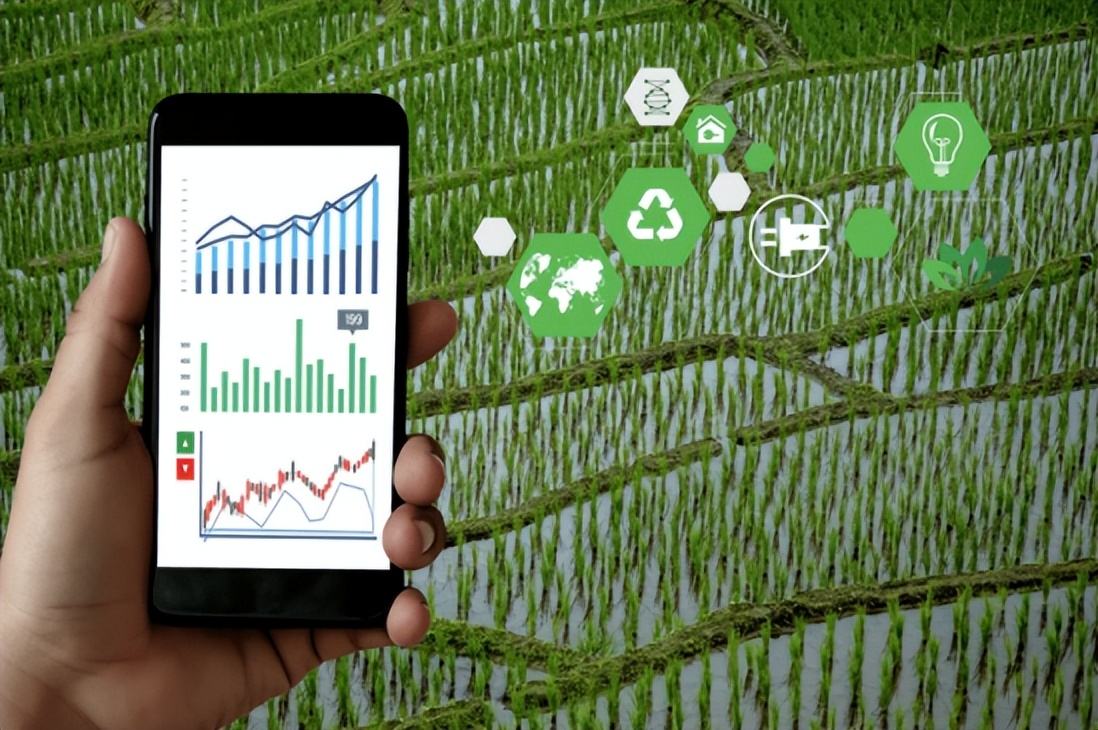
Digital Monitoring

Using Internet of Things collection technology, realize real-time monitoring of energy consumption data and digitally display the energy use of enterprises and parks.

Multi-Dimensional Analysis

Covers analysis from multiple angles: energy consumption, carbon emissions, carbon emission reduction, carbon peak, carbon neutrality, carbon sinks, carbon inclusion, and dual control targets.

Panoramic Cockpit

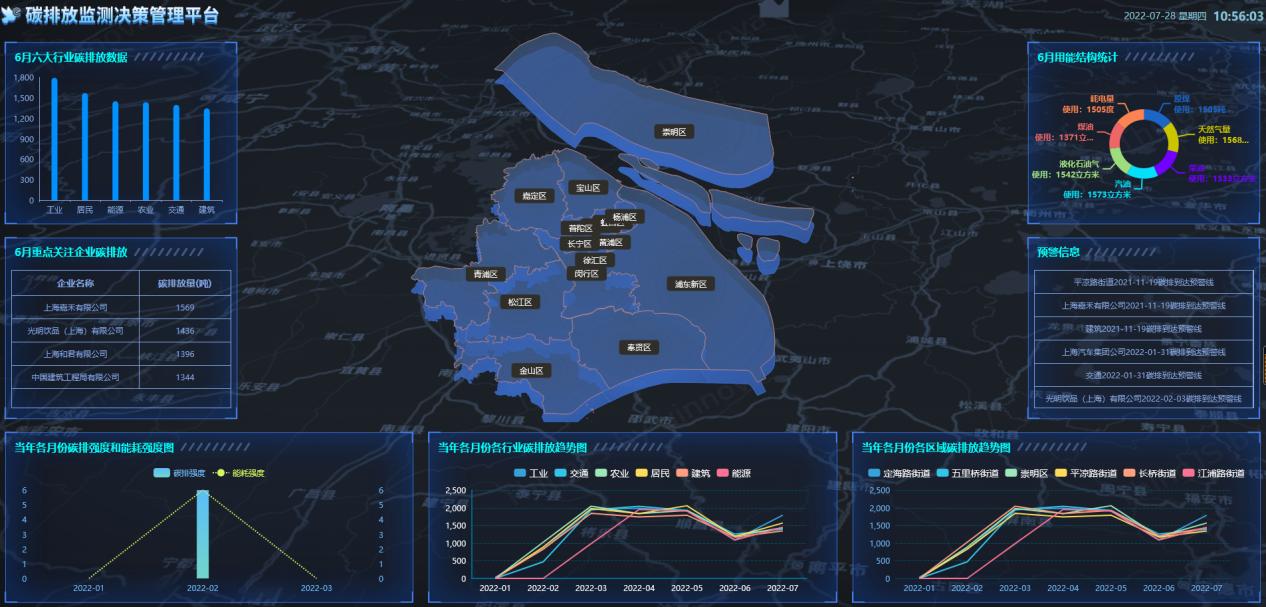
Build a dual carbon panoramic cockpit around green orientation and green development. Through the dual carbon 'panoramic cockpit', display multiple dual carbon application scenarios such as regional carbon emissions, carbon emission reduction, carbon peak, and carbon neutrality.
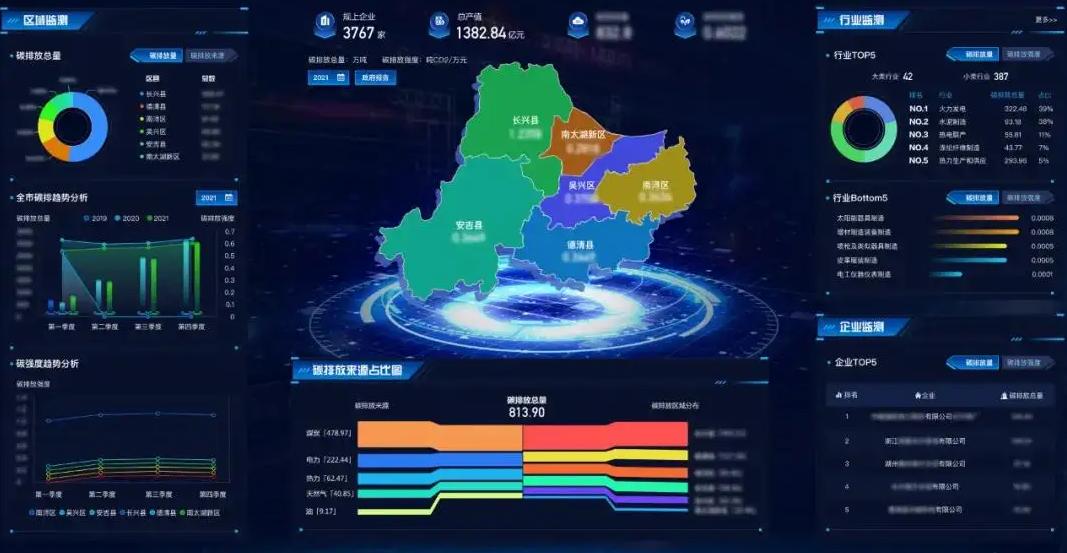
Intelligent Decision-Making

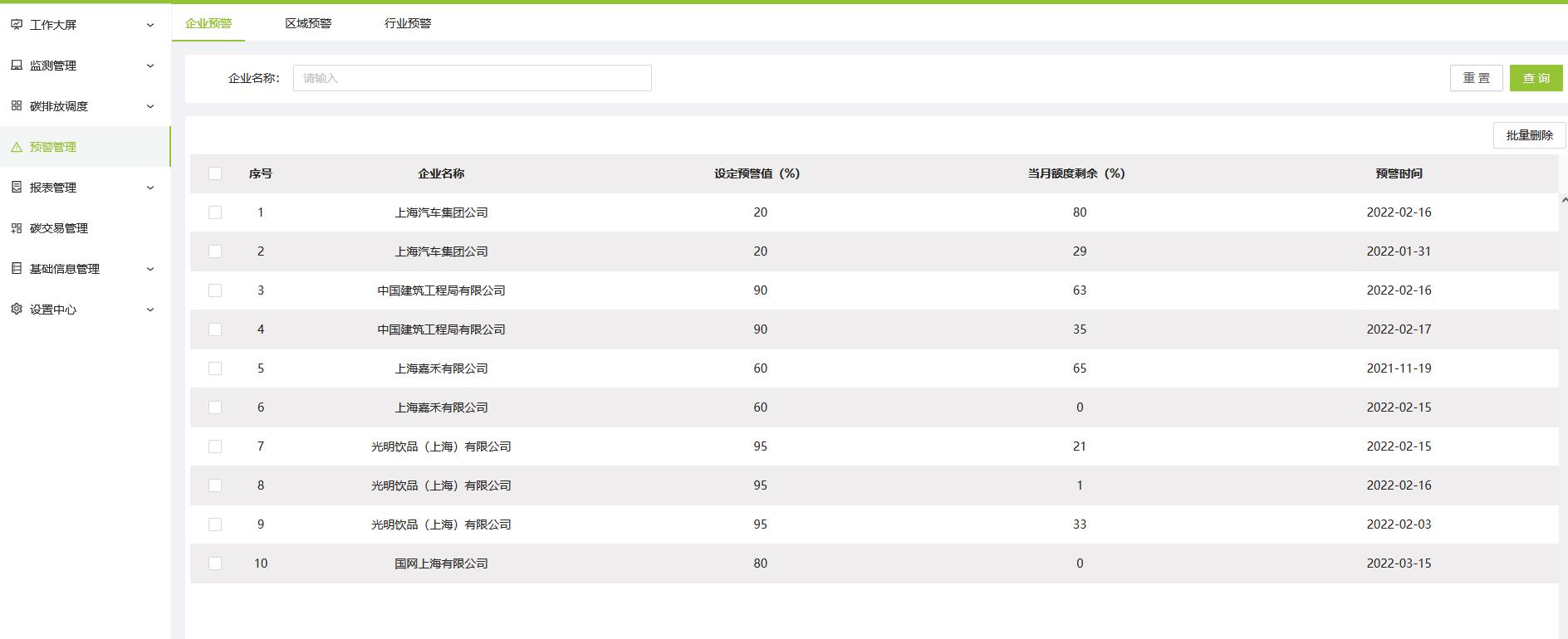
Through the monitoring subsystem, carry out unified zero-carbon management of the platform, create heat map portraits of carbon emissions and carbon sinks, and issue warnings and controls to high-energy-consumption enterprises exceeding standards until measures are taken for rectification. Taking villages, townships, towns, and counties as administrative regional units, incorporate carbon emissions, new energy, and green economy industries within the jurisdiction into a unified carbon sink trading platform, and carry out unified planning and deployment, scheduling, real-time monitoring, and trading according to the zero-carbon solution. The front end of the system uses a large-screen visualization mode for display, integrates scattered data information, and presents it graphically. This facilitates managers' maintenance, operation, and decision-making.
System Applications

Fine-grained management of dual carbon projects at both micro and macro levels, ensuring stable returns for local governments, is an important boost for building a high-quality, highly available digital platform and the best choice for implementing an overall zero-carbon solution in future villages today.

Panoramic Cockpit

This system involves all links of the zero-carbon industry front end, including carbon capture, management, monitoring, application, trading, and evaluation. It has nine major features, including: wide coverage, rich functions, integration of cutting-edge technologies, massive emission factors, precise carbon calculation, digital monitoring, multi-dimensional analysis, panoramic cockpit, and intelligent decision-making.

New Energy Revenue Generation

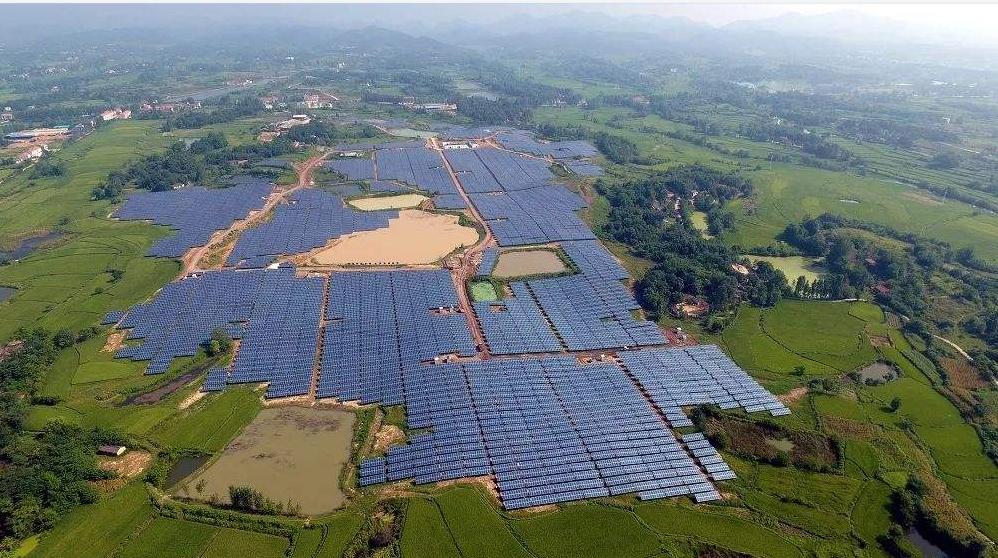
AI helps smart microgrids achieve 'zero carbon emissions'. After introducing artificial intelligence technology, various models of photovoltaic panels are installed on the roofs of residential buildings and street lamps along roads according to different lighting conditions. Wind turbines, charging piles, and energy storage battery systems are all available, creating an integrated smart energy project of 'wind, solar, storage, and charging'. Monitoring and management are carried out through the 'smart brain' of the microgrid.

Rural Low-Carbon Revenue Generation

Through the carbon management future village platform, build a rural smart management system, take the lead in creating a village-level new energy charging system, reduce exhaust emissions, and create low-carbon future villages.

Green Revenue Generation

Focusing on the four directions of 'sink enhancement, sink consolidation, sink popularization, and revenue generation', implement a comprehensive greening action across urban and rural areas. It is expected that ecosystems will continue to be restored, and annual carbon sinks will exceed 2 million tons.

Coordinated Carbon Trading

Application Cases

Beautiful and Livable Demonstration Village - Chenxi Township
Most Beautiful Village - Mountain Living in Lingnan