


The Base Station Security Protection System is a base station intelligent early warning system composed of triggering devices, fire alarm devices, monitoring sensor devices, level sensors, and other devices with auxiliary functions. In the early stage of a fire, it can convert physical quantities such as smoke, heat, and optical radiation generated by combustion into electrical signals through fire detectors such as temperature-sensing, smoke-sensing, and light-sensing detectors, transmit them to the fire alarm controller, and at the same time display the location where the fire occurs and record the time when the fire occurs; and through the controller and on-site interface module, it controls the dedicated fire-extinguishing equipment in the base station, effectively implements emergency fire extinguishing and emergency warning notifications, and achieves the purpose of reducing losses.

Base Station Security Protection System
The Base Station Security Protection System is a base station intelligent early warning system composed of triggering devices, fire alarm devices, monitoring sensor devices, level sensors, and other devices with auxiliary functions. In the early stage of a fire, it can convert physical quantities such as smoke, heat, and optical radiation generated by combustion into electrical signals through fire detectors such as temperature-sensing, smoke-sensing, and light-sensing detectors, transmit them to the fire alarm controller, and at the same time display the location where the fire occurs and record the time when the fire occurs; and through the controller and on-site interface module, it controls the dedicated fire-extinguishing equipment in the base station, effectively implements emergency fire extinguishing and emergency warning notifications, and achieves the purpose of reducing losses.
Solution Introduction
System Architecture
According to the currently popular JAVA architecture Springboot+mybatis-plus, the Base Station Security Protection System is a B/S and C/S hybrid system developed using the Java language. The database uses a MYSQL server. The system has excellent portability, versatility, ease of use, and high maintainability. Because the technical architecture is flexible, the system can meet the requirements of the security protection system while also realizing information interconnection with other business systems in use.
The system adopts a B/S and C/S architecture. The system platform includes six major parts: the video surveillance system, emergency fire extinguishing system, sensing alarm system, alternative communication system, safe base station disaster protection visualization system, and database server.

System Functions
Functional Features

Main Functions
1. Video Surveillance System
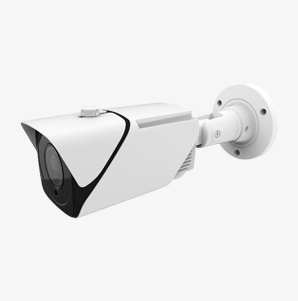
The video surveillance system can provide all-weather monitoring and real-time alarms, and can operate in harsh outdoor environments, such as smoke, haze, etc.;
Scenario 1: Detect dense crowds within the monitoring range; when a dense crowd is found, take photos for evidence and retain that segment of video, and at the same time notify relevant staff through the system;
Scenario 2: Detect personnel entering the warning range; when personnel are found within the warning range, remind the personnel entering the warning range through a loudspeaker, take photos for evidence and retain that segment of video, and at the same time notify relevant staff through the system;
Scenario 3: Analyze all objects within the monitoring range; perform image analysis and comparison at regular intervals, and when differences are found, warn staff in advance to prevent problems before they occur.
2. Emergency Fire Extinguishing System
Physical quantities are converted into electrical signals by fire detectors such as temperature-sensing, smoke-sensing, and light-sensing detectors and transmitted to the fire alarm controller; and through the controller and on-site interface module, it controls the dedicated fire-extinguishing equipment in the base station, effectively implements emergency fire extinguishing and emergency warning notifications, and achieves the purpose of reducing losses in a timely manner.

3. Sensing Early Warning System
Real-time detection of the base station operating environment. Through detectors such as temperature-sensing, smoke-sensing, light-sensing, video analysis, and vibration sensing, signals are converted into electrical signals and transmitted to the control center. When any abnormality is found, the corresponding staff are notified promptly through the system.

4. Alternative Communication System
When the base station is abnormal or fails and cannot work normally, notify the staff through the system; use manpower or other transport tools to transport microwave communication equipment to the accident site for emergency handling.

5. Safe Base Station Disaster Protection Visualization System
The Safe Base Station Disaster Protection Visualization System is mainly used to view the geographical distribution of base stations, and the data visualization function module provides data query, data map visualization presentation, analysis and monitoring reports as the main data operation and observation functions;
According to the analysis types of the Safe Base Station Disaster Protection Visualization System, the functional modules are divided into: base station coverage visualization analysis, base station handover visualization analysis, base station early warning visualization analysis, base station source data visualization analysis, etc.



Related Information
 AI + Security: Six Major Technology Trends in Video Surveillance
 China to Build 3 Million 5G Base Stations Carrying IoT This Year, Becoming the First Market with 1 Billion 5G Connections
 2023 World Internet of Things Top 500 Summit Held in Beijing
.jpg) Smart Industrial Park Construction Infrastructure
 What Is the Difference Between AI Servers and Ordinary Servers?