Home/Solutions/Solution Details/
Catalog
Industry Development
Construction Objectives
System Design
System Applications
Related Products
Catalog
Catalog

Enterprise Carbon Peak System Solution

Overview

Through enterprise carbon peak system management, enterprises can implement the integrated five-path technological transformation outlined in the central meeting's one enterprise, one policy approach—structural transformation and upgrading, adjustment and optimization of the energy structure, strengthening green and low-carbon technological innovation and application, and promoting synergistic efficiency in pollution and carbon reduction—as well as the four simultaneous actions technological path of reduction, increase, protection, and sequestration. Only in this way can the arduous and ambitious carbon peak goal be achieved at low cost and steadily.

Industry Development

1.1 Industry Characteristics

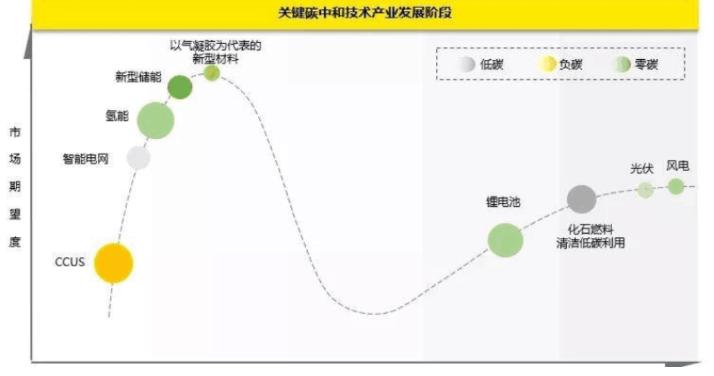
If China is to continue playing an important role in the carbon neutrality era and enhance its global competitiveness, it must increase investment in low-carbon technologies. For a key low-carbon technology such as CCUS, when its economic viability is poor, large-scale deployment may be avoided, but technological reserves and application demonstrations should be carried out in advance. From the strategic height of national energy security and sustainable economic development, importance should be attached to CCUS technological innovation and promotion. Top-level design should be strengthened, fiscal, tax, and financial policies and market mechanisms should be introduced and improved, and a CCUS industrial system suited to national conditions should gradually be formed, providing digital system support for building a diversified energy supply system in which fossil energy and renewable energy are synergistic and complementary. Only in this way can the initiative in development be firmly grasped.

Among them, low-carbon technologies include two aspects:

First: carbon emissions (mainly in urban areas, industrial parks, power plants, and cement plants)

1) Green energy technologies

Solar, wind, biomass, tidal, geothermal, nuclear energy, etc.

2) Energy-saving and emission-reduction technologies for traditional fossil energy

Efficient, clean, and integrated extraction and use of coal, oil, and natural gas.

3) Energy-saving and emission-reduction technologies in other industry processes

Energy saving in manufacturing, buildings, and transportation; the core of carbon capture, storage, and utilization technology is CCUS (Carbon Capture & Storage), namely the technology for capturing, storing, and utilizing carbon dioxide.

Second: carbon sinks

The anthropogenic carbon reduction path, through the construction of artificial ecological engineering, consolidates and enhances the carbon sink function of ecosystems. It is the most effective, greenest, most economical, and most large-scale technological approach, and it is also highly consistent with the national ecological civilization construction goals. It can be regarded as the ballast for achieving the carbon peak goal and the stabilizer for social and economic development.

1.2 Scientific and Technological Support

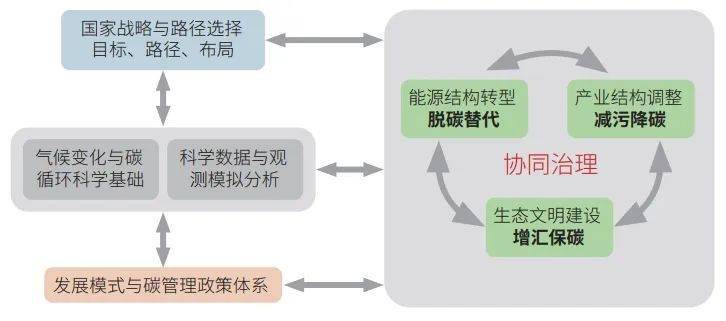
The major scientific, technological, and social changes driven by the low-carbon goal will change China's traditional social and economic development model, industrial division of labor, and scientific and technological system, urgently requiring strong scientific and technological support. To this end, the scientific and technological community should focus on seven areas of scientific and technological research around the carbon peak action and goals.

Scientific and technological support system for implementing the carbon peak action

1.3 Development Guidelines

For the key tasks of carbon neutrality, it is clearly required to formulate carbon peak action plans under the one enterprise, one policy approach, strive to promote industrial structure transformation and upgrading, adjust and optimize the energy structure, strengthen green and low-carbon technological innovation and application, and promote synergistic efficiency in pollution and carbon reduction.

Enterprises should actively practice the concept of green, low-carbon, and circular development, incorporate energy conservation, ecological environmental protection, and the strategic orientation and target requirements of carbon peak and carbon neutrality into enterprise development strategies and plans, and, around their main business, develop and strengthen green and low-carbon industries such as energy conservation and environmental protection in an orderly manner. Central enterprises should establish and improve systems for carbon dioxide emission statistics, accounting, and information disclosure, and take effective measures to control carbon emissions.

Macro layout of the five coordinated approaches

To achieve the carbon peak action goals, China needs to adhere to three basic principles:

1) Promote social development and technological innovation, and strengthen energy conservation and emission reduction;

2) Tap the potential of ecological carbon sequestration and engineering carbon storage, and retain appropriate space for carbon emissions;

3) Reduce economic costs and social risks, and cultivate and expand the new ecological economy.

Construction Objectives

Only by implementing the integrated five-path technological transformation outlined in the central meeting's one enterprise, one policy approach—structural transformation and upgrading, adjustment and optimization of the energy structure, strengthening green and low-carbon technological innovation and application, and promoting synergistic efficiency in pollution and carbon reduction—as well as the four simultaneous actions technological path of reduction, increase, protection, and sequestration, can the arduous and ambitious carbon peak goal be achieved at low cost and steadily. This will resolve the conflict between economic and social development and carbon emission reduction, achieve coordinated unity among scientific and technological progress, economic transformation, pollution control, ecological restoration, and ecological civilization construction, and create a new situation of coordinated development featuring decarbonization and carbon reduction, emission and pollution reduction, greening and sink expansion, and sustained growth, endowing the strategic layout of economic and social development with the necessary resilience and adaptability.

2.1 Build Five Systems

2.1.1 Indicator System

In the process of carbon peak action, enterprises should establish corresponding indicator systems. Establish indicators related to energy conservation, emission reduction, and carbon reduction, such as emissions of carbon dioxide and major air pollutants, energy consumption per 10,000 yuan of GDP, and industrial electricity consumption. There are also related indicators driven by carbon emission reduction, such as the proportion of emerging industries, the share of non-fossil energy in primary energy consumption, and other industrial structure and energy structure indicators.

2.1.2 Management System

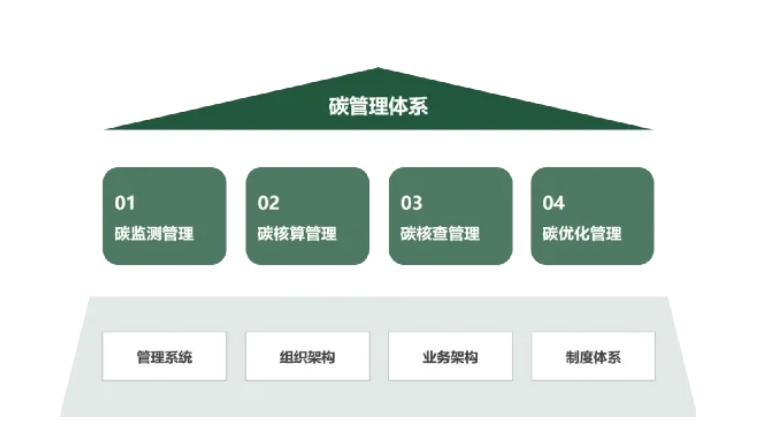
In the process of carbon peak action, enterprises need to establish an action management system, including emission management, asset management, equipment management, integrated management, emergency management, decision management, assessment management, governance measures, etc.

2.1.3 Assessment System

In the process of carbon peak action, enterprises should establish a corresponding assessment system. At the end of the assessment period, summarize and analyze the completion of energy conservation and ecological environmental protection assessments. At the same time, submit to third-party institutions for evaluation according to the MRV process, benchmark against the predetermined targets of various regulatory departments, evaluate and score the results of the carbon peak action, and take follow-up reward and punishment measures.

2.1.4 Value System

The carbon sink subsystem plays an important carbon sink function, including carbon emission rights trading and resource emission reduction trading. Through system trading, overall carbon neutrality and carbon emission reduction scheduling are achieved, and enterprises' surplus carbon quotas are sold to urban areas or enterprises with demand. Through carbon sink trading, enterprises can increase production and income and successfully transform to a green development path.

2.1.5 Release System

In the process of carbon peak action, enterprises should establish an information collection, review, and release system. This includes key data and information such as carbon emissions, carbon sinks, carbon performance, and carbon quotas. Relevant data should be reviewed according to standardized processes, published on the platform, and subject to review by relevant authorities and authoritative institutions. They should be released according to regulatory requirements and simultaneously accept supervision.

2.2 Energy Conservation and Emission Reduction

Greenhouse gases and air pollutants have the intrinsic characteristic of sharing the same roots and sources. Coordinating carbon peak action with air pollution prevention and control is a focal point of China's current ecological civilization construction. It can provide systematic and multidimensional solutions and governance countermeasures for achieving the carbon peak goal and clean air with twice the result with half the effort.

2.3 Ecological Protection

The essential ultimate goal of advancing ecological civilization construction is to strive to build a prosperous, beautiful, healthy, and ecological modern power and realize the sustainable development of the Chinese nation. The carbon peak goal is undoubtedly the most powerful flagship action and lever for ecological civilization construction in the new era. Ecological carbon protection and greening for sink expansion are not only key pathways to achieving the carbon peak goal but also important ecological safeguards for building a beautiful China.

2.4 Structural Adjustment

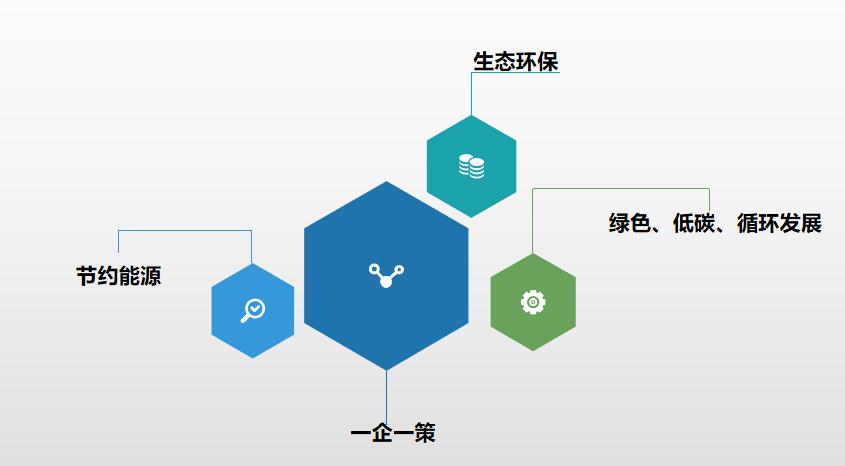
To formulate a scientific and reasonable carbon peak action plan under the one enterprise, one policy approach, it is necessary to focus on promoting industrial structure transformation and upgrading, adjusting and optimizing the energy structure, strengthening green and low-carbon technological innovation and application, and promoting synergistic efficiency in pollution and carbon reduction, ultimately realizing an enterprise development model featuring ecological environmental protection, energy conservation, and green, low-carbon, and circular development.
2.5 Promoting Production

(1) Energy industry

The energy and power industry is the industry with the most mature carbon technologies and the lowest costs, and it bears the expectation of being the first to achieve carbon neutrality or even negative emissions.

(2) Transportation industry

Unlike the power, industrial, and building sectors, the transportation industry in most cases cannot directly use clean energy such as wind power and photovoltaics. Clean energy must be converted into storable and transportable forms to become green fuels that the transportation industry can directly use, so as to meet deep emission reduction and net-zero emission goals.

(3) Building industry

According to statistics from the China Building Energy Consumption Research Report 2020 issued by the China Association of Building Energy Efficiency, in 2018 the total energy consumption of the entire building process nationwide was 2.147 billion tons of carbon equivalent, accounting for 46.5% of the total national energy consumption; total carbon emissions were 4.93 billion tons of carbon dioxide, accounting for 51.3% of national carbon emissions. Given such a high proportion of carbon emissions in the building industry, achieving carbon neutrality will inevitably bring unprecedented major challenges to the building industry.

(4) Industrial sector

Industrial production is accompanied by relatively high carbon dioxide emissions, accounting for about 28% of global total carbon dioxide emissions. Over the years, because the energy consumption of the industrial sector has consistently accounted for more than 65% in China and carbon emissions have accounted for more than 70% of the total, industry is a key work area in the process of achieving China's carbon neutrality goal. The results of emission reduction in the industrial sector largely determine whether China can achieve the carbon neutrality goal on time. China's industrial sector still faces huge risks of increased emissions, and carbon emission reduction work faces many challenges.

(5) Daily life

With the formal implementation of the renewable energy electricity consumption guarantee mechanism, in 2020, provinces and municipalities successively issued local implementation plans for renewable energy electricity consumption, clarifying the performance methods and the entities responsible for fulfilling consumption responsibilities. Large power users may choose to participate directly or through power sales companies in renewable energy electricity trading. General users refer to other power-using enterprises, apart from large power users, that are permitted to enter the market and must participate in renewable energy electricity trading through power sales companies. This means that internet technology enterprises and data center enterprises entering the power market as power users will be included in the assessment scope, participate in market trading, and assume the obligation to consume and purchase renewable energy electricity. Carbon emission requirements for internet technology enterprises will gradually strengthen under the pressure of carbon peak and carbon neutrality goals. As market rules gradually improve, the clean energy consumption of internet technology enterprises in the future.

It is far from enough to focus only on the management and control of the organic carbon cycle process in ecosystems. The national carbon peak action starts with traditional energy, transportation, buildings, industry, daily life, and other sectors, comprehensively considering and accurately balancing the synergistic relationship among organic carbon sinks, inorganic carbon pools, and non-CO2 greenhouse gases, ensuring the integrity of the carbon peak action system solution.

System Design

As intelligent and digital technologies continue to deepen in the new energy sector, new energy enterprises, based on their position in the value chain and their own understanding, adhere to the one enterprise, one policy approach to formulate carbon peak action plans, focus on promoting industrial structure transformation and upgrading, adjust and optimize the energy structure, strengthen green and low-carbon technological innovation and application, and promote synergistic efficiency in pollution and carbon reduction. They have successively launched low-carbon solutions. Under the enterprise overall layout model, an overall solution is designed from eight aspects: basic information, carbon emission monitoring, energy management, decision management, assessment management, financial subsystem, carbon sink subsystem, and information release subsystem. Digital and AI means are introduced into the low-carbon solution to achieve enterprise carbon neutrality and sustainable development.

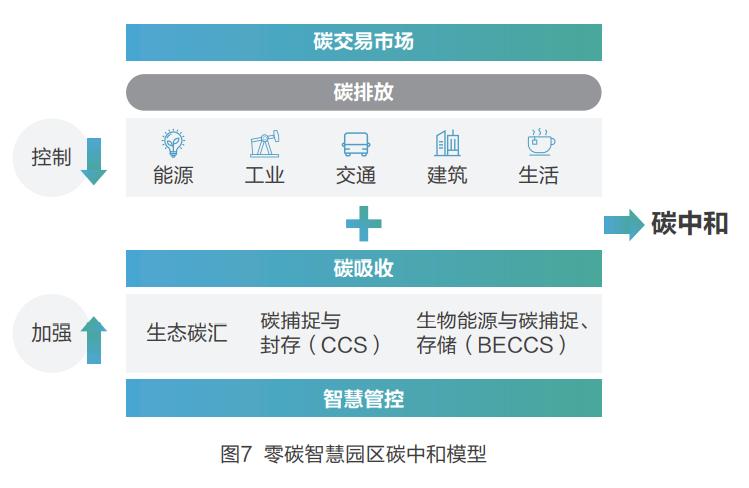
3.1 System Architecture

3.1.1 Overall System Architecture

3.1.2 System Business Architecture

The system includes: monitoring capability module, carbon trading capability module, and smart management module.

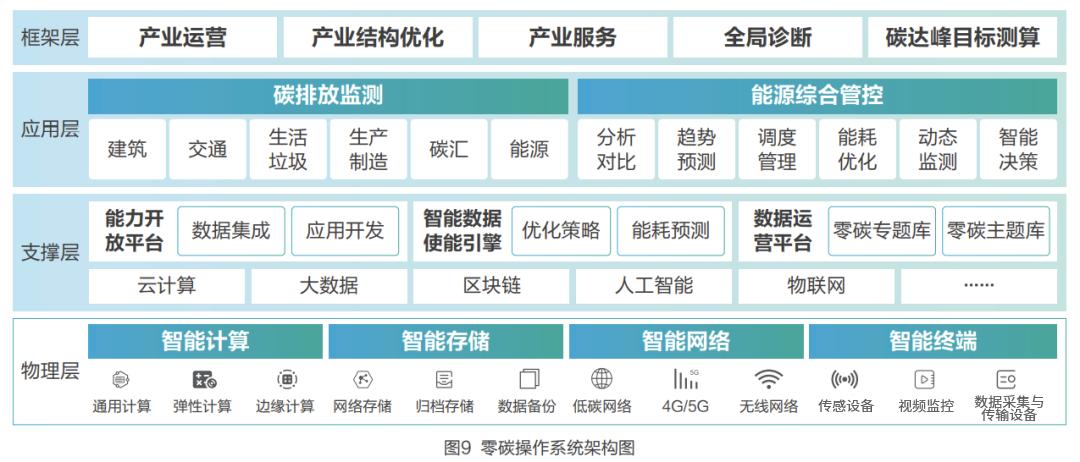
3.1.3 System Functional Architecture

The system includes the physical layer, support layer, application layer, and framework layer. The framework layer further includes industrial operations, industrial organization optimization, industrial services, global diagnosis, and carbon peak target calculation.

3.1.4 Carbon Emission Assessment System Architecture

3.1.4.1 Three Elements of the Carbon Assessment System

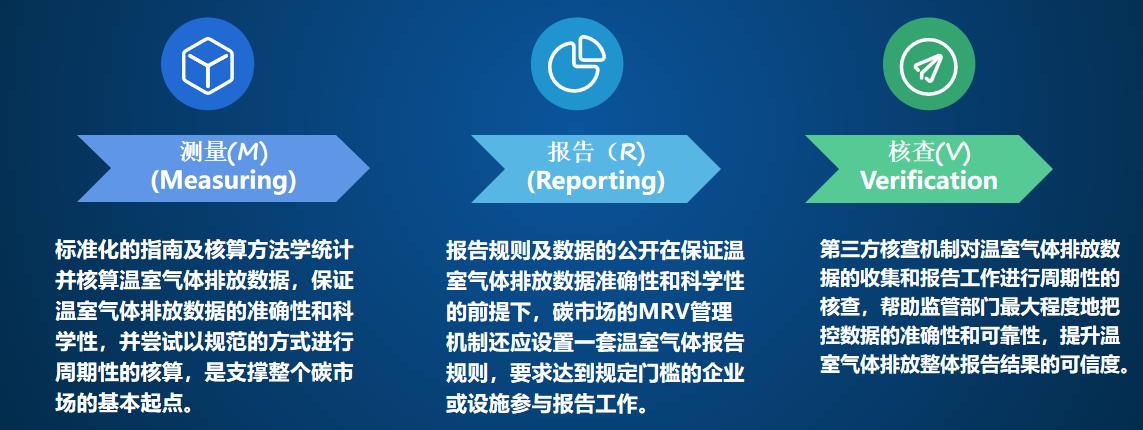
The MRV system is a basic element of the carbon trading mechanism and an important basis for enterprise low-carbon transformation and macro decision-making. The MRV system mainly consists of three parts: measurement, reporting, and verification.

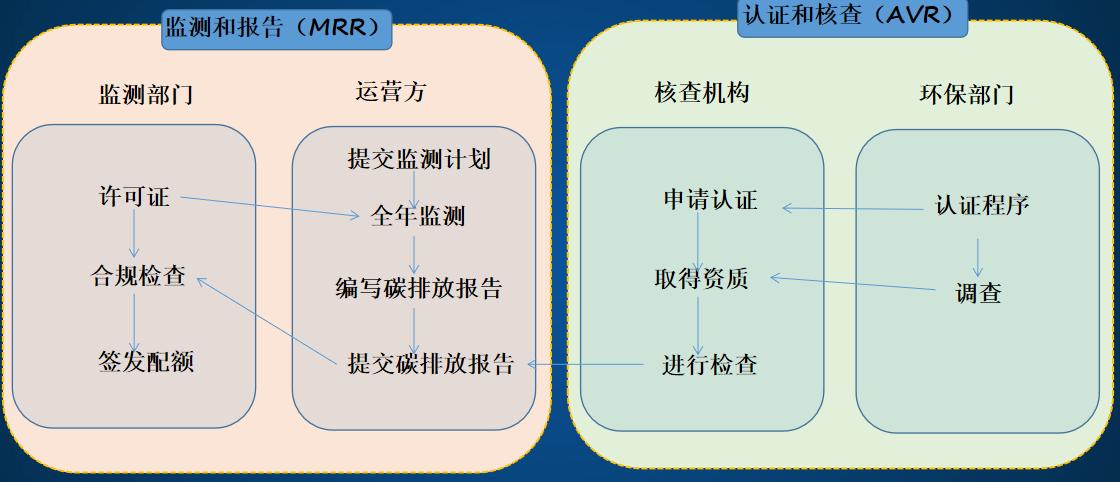
3.1.4.2 Basic Business Process of Carbon Assessment

3.1.4.3 Carbon Conversion Method

Carbon emissions = AD * EF

AD (activity data): information on the degree to which human activities occur

EF (emission factor): a coefficient that quantifies the emissions generated by an activity

3.1.4.4 Carbon Trading System

Based on the MRV system, enterprises apply for the emission allowances required within a given period, formulate corresponding energy conservation and emission reduction plans, monitor them, and ultimately trade them in the carbon trading market.

System Applications

Carrying out refined management of carbon peak actions at both the micro and macro levels and ensuring stable revenue for local governments are important boosts for building a high-quality, highly available digital platform and the best choice for enterprises currently implementing overall low-carbon solutions.

4.1 Zero-Carbon Parks

Low-carbon parks must meet other living and working needs of talent, which plays a vital role in the construction of zero-carbon parks and in improving their core competitiveness; at the same time, the gathering of high-quality professional and skilled talent can generate many economic spillover effects for the parks.

4.2 New Energy Sector

AI helps smart microgrids achieve low-carbon emissions. After introducing artificial intelligence technology, various models of photovoltaic panels are installed on residential building roofs and roadside streetlights according to different lighting conditions. Wind turbines, charging piles, and energy storage battery systems are all available, creating an integrated wind-solar-storage-charging smart energy project. Monitoring and management are carried out through the enterprise digital carbon emission system.

4.3 Industrial Sector

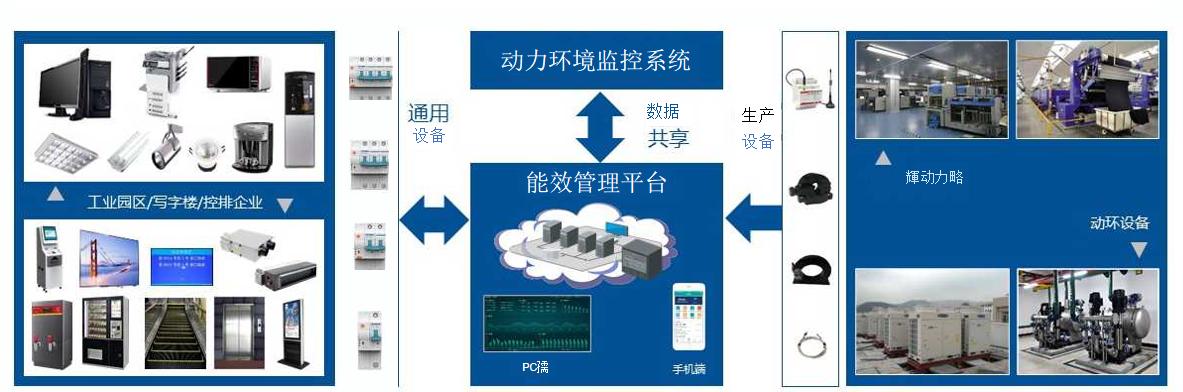
Deploy and install digital circuit breakers, electrical monitoring, and other devices at energy-using terminals to achieve intelligent carbon emission collection and multi-level metering. Data is uploaded to the carbon emission management system to realize equipment management and multidimensional energy efficiency analysis, full life cycle management of power-using equipment, operating status analysis of power-using equipment, and dynamic calibration of energy consumption levels; intuitively display the historical power consumption status of electrical equipment, analyze equipment carbon emission indicators, conduct comprehensive equipment analysis, provide equipment maintenance or replacement recommendations, and record information.

4.4 Transportation Sector

This is a rail transit energy management system. The energy management system conducts distributed monitoring and centralized management of energy-related equipment. In accordance with relevant guidelines and specification requirements, it stores and analyzes data from on-site monitoring points, enabling online metering and monitoring of the entire line network, energy consumption statistical analysis, diagnosis, prediction, early warning, and auxiliary decision-making. It helps subway station managers improve energy consumption management and reduce energy costs, achieving the energy use goals of safety, reliability, economy, efficiency, and cleanliness.

Through energy-saving management and control, optimized scheduling, potential tapping, and reasonable energy conservation, it guides subway energy consumption, supports the construction of an efficient and energy-saving subway smart energy management system, achieves subway energy conservation and efficiency improvement, and ultimately realizes a 25% energy-saving target.

4.5 Environmental Protection Sector

Focusing on the four directions of increasing sinks, consolidating sinks, popularizing sinks, and creating sinks, implement citywide and enterprise-wide greening actions. It is expected that ecosystems will continue to be restored, and national annual carbon sinks will exceed 2 million tons.

4.6 Carbon Sink Sector

Sell enterprises' surplus carbon quotas to urban areas or enterprises with demand. Adhere to the green development path and increase production and income through carbon sink trading.