


A carbon footprint project is a method and calculation process for measuring and assessing the greenhouse gas (mainly carbon dioxide) emissions generated by an individual, organization, or product over a specific period. It aims to understand and quantify the contribution of human activities to climate change and provide guidance for reducing greenhouse gas emissions.
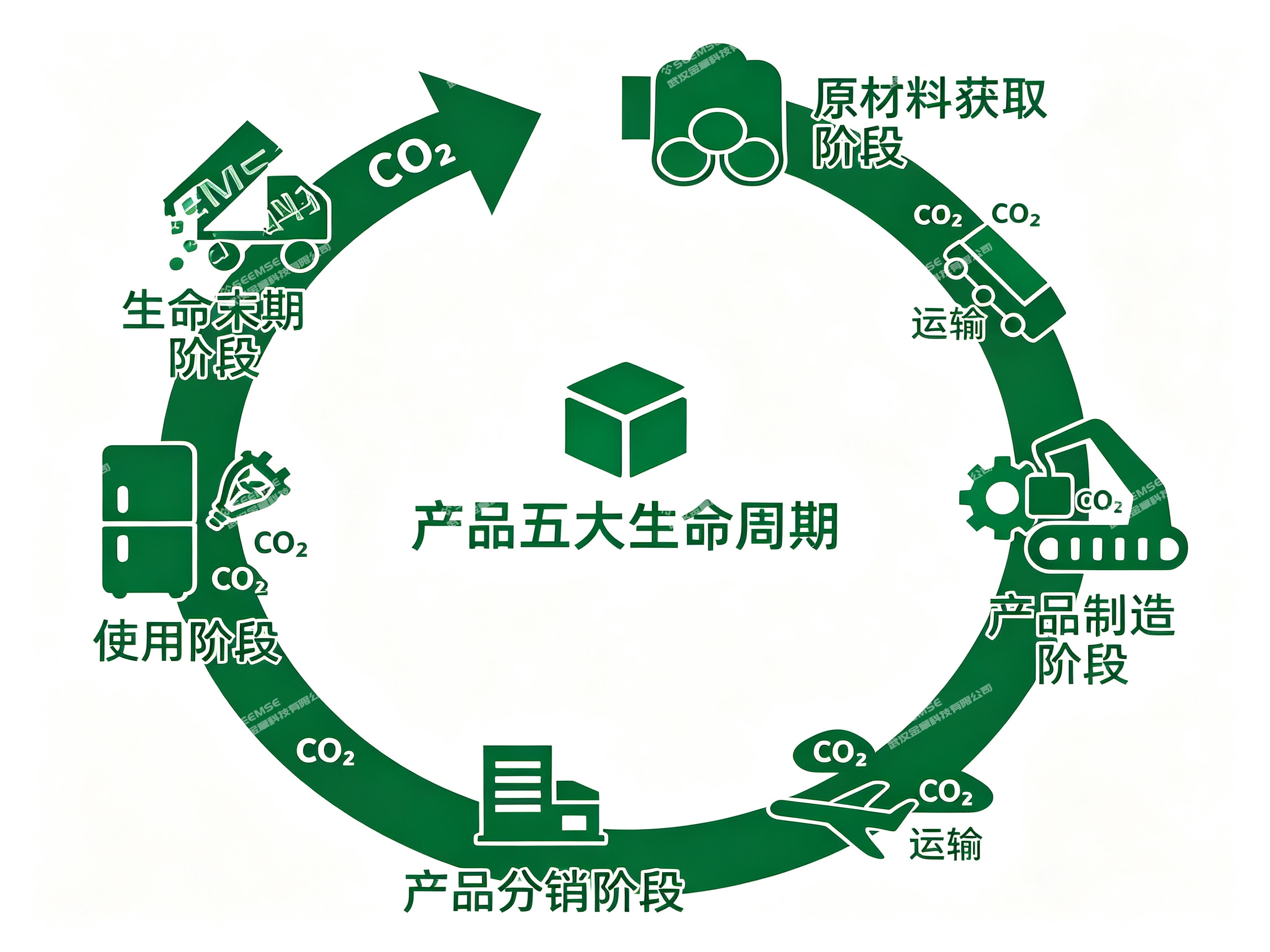
A carbon footprint project usually includes the following steps:
Scope definition: Clearly define the project boundary and determine the emission sources and types of activities to be calculated. This can include direct emissions (such as energy use and transportation) and indirect emissions (such as supply chains and waste management).
Data collection: Collect project-related data, such as energy use, transportation mileage, and waste generation. These data can come from internal corporate records, supplier-provided data, industry-standard data, and other sources.
Emissions calculation: Based on the collected data, use carbon footprint calculation methods and formulas to calculate the greenhouse gas emissions generated by various activities. The calculation results are usually expressed in carbon dioxide equivalent (CO2e), converting the impact of other greenhouse gases into units equivalent to carbon dioxide.
Data analysis and interpretation: Analyze and interpret the calculated emissions data, understand the contribution of various activities to total emissions, and identify high-carbon-emission links and potential emission reduction opportunities. This can help enterprises or organizations determine emission reduction strategies and measures.
Reporting and communication: Organize the calculation and analysis results into reports or visual forms to communicate carbon footprint information to stakeholders in a clear and understandable way. This can include internal management and employees, as well as external partners, customers, and investors.
Emission reduction actions: Based on the analysis results and identified emission reduction opportunities, formulate and implement emission reduction plans and measures. This can include energy efficiency improvements, renewable energy procurement, supply chain optimization, and waste management improvements.
Monitoring and reporting: Continuously monitor and evaluate the effectiveness of emission reduction actions, regularly report emissions and emission reduction results, ensure the achievement of emission reduction targets, and promote continuous improvement.
Through carbon footprint projects, individuals, organizations, and governments can better understand their own greenhouse gas emission conditions, find priorities and opportunities for emission reduction, and promote sustainable development and actions to address climate change. In addition, carbon footprint projects also provide a foundation and support for enterprises to build an environmental protection image, meet policy requirements, and participate in carbon markets.


